Tighter Lending and Declining Construction Start to Cast a Shadow over the Building Materials Industry
Remodeling Demand Shrinking... Second-Half Slump Expected
Inflation Control Measures Limit Price Hikes
LX Hausys Faces Bigger Impact Due to High Dependence on Building Materials
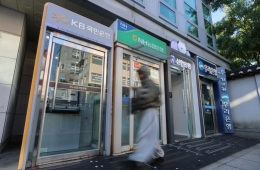
Due to the slowdown in the construction market and restrictions on mortgage lending, demand for relocation and remodeling is expected to shrink in the second half of the year, casting a shadow over the building materials industry.

Sales remained solid in the first half, as property transactions increased ahead of the upcoming removal of heavy capital gains tax on multiple-home owners. However, many expect sluggish performance in the second half. This is because financial institutions have started tightening limits on mortgage loans this month, and the possibility of further rate hikes is rising, both of which could have a negative impact on the construction sector. LX Hausys in particular, which derives about 70% of its revenue from building materials, is expected to be hit hard. The company's first-quarter earnings surprise was largely driven by an increase in B2C (business-to-consumer) revenues arising from remodeling demand.
Typically, building material sales lag behind new housing starts by about 1.5 years. According to the Construction Industry Research Institute on July 15, last year's housing starts reached 272,685 units, about 30,000 fewer than in 2024 (303,499 units). The figure is also around 110,000 units below the 10-year average of 380,000 units. From January to April this year, accumulated starts stood at 71,000 units, which is only 73% of the five-year average for the same period (98,000 units).
Market analysts are forecasting that LX Hausys's building material sales could decline by more than 2% in the fourth quarter. Donghyun Shin, a researcher at Hyundai Motor Securities, stated, "Material prices have risen due to the war in the Middle East, and with a renewed decline in housing transactions, fixed costs are likely to increase as well." He added, "A turnaround in the building materials segment will be key to results, but a recovery in new construction must come first for meaningful sales growth to be achieved."
KCC is also expected to become more reliant on its industrial paint and silicone businesses, rather than on building materials, due to the impact of the sluggish construction sector. While raw material prices are rising and existing inventories are being depleted, it has also become difficult to raise prices because of the government's continued efforts to control inflation. The financial industry predicts that KCC's operating profit from building materials will be around 118 billion won this year, a slight increase compared to last year's 115.1 billion won.
In this environment of inevitably declining demand for relocation and remodeling, the building materials industry is focusing on defending sales by expanding the share of premium products and strengthening strategies targeting B2C sales in new apartment complexes.
Hot Picks Today
 "I Came to Korea and Easily Made 3.3 Million Won a Month"... The "Easy Gig" Everyone's Talking About Among International Students Turns Out to Be...
- More Than 900 Schools Shut One After Another... Japan in Turmoil Over 'Infectious Disease' Outbreak
- North Korean Landmine Incident... Angry Male Support for Ruling Party Falls 10.5 Points [Asia Business Daily-Realmeter Poll]
- "Hand in Your Resignation and Get a Year's Salary"... This Country Pushes Early Retirement for Civil Servants
- "Oh Eunyoung's Consultation Fee: Millions of Won? Not Expensive"... Yonsei Professor's Sharp Rebuke over "300,000-Won Lecture Fee"
An industry insider commented, "B2B sales reflect pre-existing contracts, but if lending restrictions are further strengthened, B2C sales are bound to take a direct hit. The real estate market is likely to weaken further starting in the second half, and given the impact of rising raw material prices, sales growth will not be easy."
© The Asia Business Daily. All rights reserved. Unauthorized AI training and use prohibited.