No Need to Provide Date of Birth or Address on Danggeun Market... Electronic Commerce Consumer Protection Act Enforcement Decree Passed
Personal Data Protection in Secondhand Transactions
Surcharges for Habitual Violators on Platforms Doubled
The obligation to collect identification information for individual sellers active on consumer-to-consumer (C2C) platforms will be reduced from five items to two. The criteria for appointing a domestic representative for overseas businesses are being specified in detail, and companies that repeatedly violate the law will face surcharges increased by up to 100%.

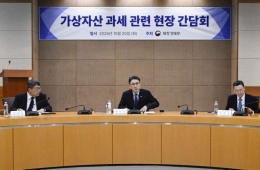
The Fair Trade Commission announced on July 14 that a revision to the "Electronic Commerce Consumer Protection Act" Enforcement Decree, which focuses on these changes, was passed at the Cabinet meeting. The amended decree, along with the revised enforcement regulations and surcharge standards announced in March, will be fully implemented starting July 21.
"Preventing Personal Data Leaks in Secondhand Transactions"... ID Verification Reduced to Two Items
The first key point of the amendment is rationalizing regulations by significantly reducing the scope of personal information that C2C platforms must collect. Previously, platforms that broker communication sales, such as Danggeun Market and Bungaejangter, were required to verify and provide five types of identification information to consumers—name, date of birth, address, telephone number, and email—regardless of whether the seller was a business or an individual. However, repeated concerns have been raised that such excessive data collection in the everyday C2C market has actually fueled personal data breaches.
In response, the Fair Trade Commission amended the enforcement decree to require that only two items—telephone number and email address—need to be verified for individual sellers. Furthermore, if a platform has already obtained identity information through an officially designated identity verification agency under the Information and Communications Network Act, it is sufficient to verify only the "telephone number." This greatly simplifies the procedure, meaning that users on secondhand sales platforms like Danggeun Market will no longer need to provide their date of birth, address, or name.
"Domestic Representative Required" for Businesses with KRW 1 Trillion or More in Sales
The criteria requiring overseas businesses to designate a "domestic representative"—intended to block consumer harm arising from the surge in direct overseas purchases—have also been clarified. Starting January 21 next year, any distribution company without a domestic address or business office must appoint a domestic representative if any of the following apply: (1) the previous year’s total sales exceeded KRW 1 trillion; (2) the monthly average number of local consumer visits exceeded 1 million in the preceding three months; or (3) the company was ordered by the Fair Trade Commission to submit data due to potential consumer harm. Once appointed, the representative's information (name, address, telephone number, and email) must be submitted in writing to the Fair Trade Commission and published on the company's cybermall homepage.
Guidelines on collecting and handling user reviews have also been tightened. When businesses post consumer reviews, they must fully disclose on the first screen where the review appears (or directly link it if there are space constraints) the following: the range of authorized contributors, the exposure period, criteria for rating, standards and procedures for deletion, and appeals. In accordance with the Regulatory Reform Committee’s recommendation, a three-month grace period will be given to minimize market disruption.
Surcharges Double for Habitual Violators... End to Loophole Mitigation
The revised amendment brings the strictest measures yet for platforms that habitually break the law. It demonstrates a clear intent to ensure deterrence through economic sanctions. The enforcement decree drastically increases the surcharge aggravation standard, allowing for up to a 50% increase for those found in violation more than once in the past five years. For those with four or more violations, the aggravation rate rises to up to 100%, effectively doubling the previously imposed surcharge.
On the other hand, the typical strategy of requesting additional surcharge reductions by reluctantly correcting issues after being caught—the so-called “loophole mitigation”—will be essentially blocked. The Fair Trade Commission has amended the surcharge notice to reduce the maximum mitigation rate for voluntary corrective actions from 30% to 10%.
Hot Picks Today
 "300,000 Won Grant" Shelved at Chuseok to Go to All Residents After All... This City Says It Will Pay Before Lunar New Year
- "Didn't Save This Money to Leave to Our Kids?"... Retired Couples Spend $10,000 on a Single Trip
- "Make $10 Million by Flipping It Right After Delivery?"... The Market Drawing the World's Ultra-Rich in ‘This Market’
- Friend Who Went Abroad Goes "Silent"... 617 South Koreans Out of Contact, What's Going On?
- "Stockpile 9 Liters of Bottled Water and Three Days' Worth of Food"... UK on Edge as Nationwide Emergency Preparedness Alert Issued
The Fair Trade Commission stated, "In emerging electronic commerce environments such as C2C and overseas direct purchases, we expect that these changes will protect consumer rights and interests and secure deterrence against legal violations by businesses to establish fair competition in the market."
© The Asia Business Daily. All rights reserved. Unauthorized AI training and use prohibited.