Heatwave Advisory... Nine Heat-Related Illness Cases Reported in Seoul in a Single Day
As the heatwave continues across the country, nine cases of heat-related illnesses were reported in Seoul alone on July 12.

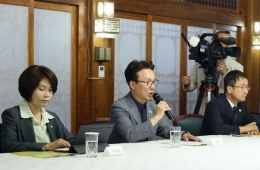
Prime Minister Han Sung-sook visited the site of the 31st district urban maintenance redevelopment project in Mugyo-dong, Euljiro, Jung-gu, Seoul on the 13th. After inspecting the site, she is seen talking with officials. Yonhap News
View original imageAccording to the Seoul Metropolitan Government on July 13, based on official statistics released by the Korea Disease Control and Prevention Agency, a total of nine heat-related illness cases were recorded in Seoul the previous day. As a result, the cumulative number of heat-related illness cases in Seoul from May 15 this year to date has increased to 96, including two deaths.
Previously, a heatwave advisory was expanded to cover all areas of Seoul at 11:00 a.m. on July 11, and this heatwave warning remains in effect throughout the entire city as of July 13. In addition to the extreme heat, a nighttime tropical night advisory has also been issued.
A heatwave advisory is issued when the maximum perceived temperature exceeds 33 degrees Celsius for more than two days, or when there is a concern for serious heat-related damage. A tropical night advisory is issued when the minimum nighttime temperature is expected to remain above 26 degrees Celsius for at least one day.
Currently, the Seoul Metropolitan Government and each district office are operating a comprehensive heatwave response center, consisting of a total of 102 teams and approximately 510 personnel.
Hot Picks Today
!["Don't Use Chinese-Made Products": One U.S. Warning Triggers a 5 Trillion Won Jackpot for Korean Batteries [Weekend Money]](https://cwcontent.asiae.co.kr/asiaresize/93/2025121709393659037_1765931975.jpg) "Don't Use Chinese-Made Products": One U.S. Warning Triggers a 5 Trillion Won Jackpot for Korean Batteries [Weekend Money]
"Don't Use Chinese-Made Products": One U.S. Warning Triggers a 5 Trillion Won Jackpot for Korean Batteries [Weekend Money]
- "Dividend Payouts of 40 Million Won Before Their First Birthday"...'Baby Shareholders' Put Ordinary Workers at a Disadvantage
- The Identity of a Metal Chunk Kept at Home for 10 Years... AI Says "It's a Bomb"
- "Even With Airfare and Hotel Costs, It's Cheaper": South Koreans Traveling to Japan for Mounjaro
- 'How Bad Was the Mistreatment'... Boss Tearfully Asks for Understanding and Generosity
Authorities have strengthened protective measures by regularly monitoring the safety of vulnerable groups such as homeless people on the streets, residents of makeshift housing, elderly people living alone, people with disabilities and chronic illnesses, and outdoor construction workers. In addition, they are operating a total of 9,851 heatwave shelters and response facilities—including climate companion shelters, cooling centers, emergency evacuation shelters, mobile worker rest areas, and heat mitigation facilities—to minimize heat-related damage.
© The Asia Business Daily. All rights reserved. Unauthorized AI training and use prohibited.