"Third Anniversary of the Osong Disaster... Government Inspects Underpass System Improvements to Prevent Future Tragedies"
Director General Kwangyong Kim Pays Tribute to Victims and Conducts On-Site Inspection
Real-Time Guidance Provided When Underpasses Are Controlled Due to Heavy Rain
Entry-Blocking Facilities Installed at 512 Out of 564 Designated Underpasses
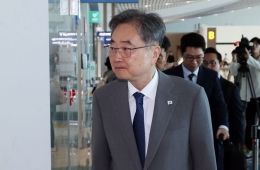
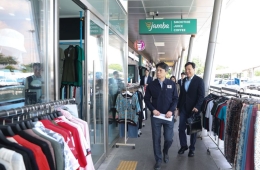
Kwangyong Kim, Director General of Disaster and Safety Management at the Ministry of the Interior and Safety, inspected preparations for the memorial ceremony and reviewed improvements to the underpass system on July 13, ahead of the third anniversary of the Osong disaster.
The Osong disaster occurred on July 15, 2023, when the embankment of the Mihocheon River collapsed due to heavy rainfall, flooding the Gungpyeong 2 Underpass, resulting in 14 deaths and 16 injuries.
To support the victims, the government has operated the "Osong Underpass Disaster Victims Support Team" within the Ministry of the Interior and Safety since last year. While the memorial ceremonies had previously been organized by the families and survivors' association, beginning with the third anniversary this year, the government will jointly host the event together with the bereaved families, the survivors' association, and others.
Director General Kim visited the citizens' memorial altar set up at Cheongju City Hall to pay tribute to the victims. He then visited the Gungpyeong 2 Underpass to check on-site the improvements to the underpass system, such as the installation of vehicle entry-blocking facilities, emergency evacuation facilities, and the strengthening of control standards.

On the morning of the 9th, the Musimcheon River at Heungdeok Bridge in Cheongju, Chungbuk, where a flood warning had been issued, was swollen. Photo by Yonhap News
View original imageSince the disaster, the government has strengthened control and management to prevent recurrence by expanding the scope of underpasses subject to entry-blocking facilities, mandating the establishment of response plans and control standards for each underpass, and assigning responsible personnel.
First, four personnel have been assigned to each underpass to proactively implement controls based on standards for water depth. Additionally, the maximum water depth standard for underpass entry control has been strengthened from 15 cm to 5 cm, allowing for control from the early stages of flooding due to heavy rainfall.
In 83 pilot locations in Seoul and Daejeon, if underpasses are controlled due to heavy rainfall, vehicle drivers are provided with real-time information on control status and detours via navigation apps. This initiative is planned to expand nationwide starting next year.
Of the 564 underpasses designated for entry-blocking facility installation, 512 have been completed, and for the remaining 49 locations—excluding three scheduled for closure—local governments are being managed to ensure prompt installation, with the Ministry of the Interior and Safety also planning to provide necessary budget support.
Hot Picks Today
 Wealth Surpasses 20 Quadrillion Won... The Super-Rich Score Big, But Where Did the Money Flow?
- "Spend 200,000 Won, Get 100,000 Won Back?"... Government's Bold Move Unveiled [Essential Tips for Benefits]
- "Stocks Are Falling, So Why Am I Up?"... The Identity of an ETF That Kept Rising [Weekend Money]
- World Fireworks Festival Draws 1 Million... Acting Police Commissioner Inspects the Site
- "Just Drinking to Lift Your Mood"...Unexpected Warning: Raises Risk of Cancer Death
Director General Kim stated, "To ensure that such heartbreaking accidents never occur in underpasses again, we will maintain a constant state of readiness in areas vulnerable to summer flooding and potential casualties, and we will do our utmost together with local governments to minimize damage from natural disasters."
© The Asia Business Daily. All rights reserved. Unauthorized AI training and use prohibited.