Climate Minister: "Industrial Electricity Rates Undermine Global Competitiveness... Need to Expand Flexible Tariffs for Households"
Kim Sung-hwan, Minister of Climate, Energy and Environment, emphasized the need to reform the household electricity rate system and expand the flexible tariff system, stating that the burden of industrial electricity rates is undermining corporate competitiveness.
At the National Fiscal Strategy Meeting held at the Cheong Wa Dae State Guest House on July 13, Minister Kim said, "Globally, industrial electricity rates are generally lower than household rates, but in Korea, industrial rates are higher. This places a heavy burden on companies, as they must compete internationally."
He explained, "In Korea, the industrial electricity rate is about 180 won per kWh, whereas in China it is around 120 won. Household rates are between 150 and 160 won, which is lower than the industrial rate." He added that internationally competitive industries such as steel and petrochemicals are struggling with high electricity costs.

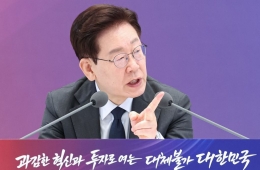
Kim Sung-hwan, Minister of Climate, Energy and Environment, is delivering a greeting at the 2026 Second Half Economic Growth Strategy Party-Government Meeting held at the National Assembly Members' Office Building on the 13th. Photo by Yonhap News Agency
View original imageMinister Kim pointed out that time-of-use pricing is already applied to industrial electricity rates and stressed the need to expand the flexible tariff system to households as well. He stated, "The flexible tariff system for household electricity rates will first be implemented in Jeju and then expanded nationwide."
President Lee Jaemyung, who received the report, also commented, "If there are no concerns about inflation or household income, it is necessary to adjust household electricity rates." He added, "The system should be changed to offer lower rates during off-peak hours and higher rates during peak hours." The president also expressed agreement with the plan to expand time-of-use pricing to households in addition to industrial users.
Minister Kim also explained the electricity voucher system to support low-income households. He noted that the current annual voucher budget is about 800 billion won, to which President Lee responded, "That is far too little," and called for an increase in the budget.
Hot Picks Today
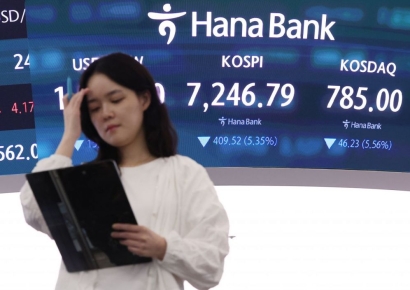 Report That Accurately Predicted KOSPI's 20% Plunge Now Says "Buy Now... Path to 11,450 Points Opens"
- "Strange Taste in Water"...Detergent and Sleeping Pills: 'Tumbler Tampering' Hits Japanese Elementary Schools
- 'Jamsil Soil Sold for 80,000 Won' Listings Marked as Sold Out... 'Final Memories' Fuel Frenzy on Secondhand Markets
- "You Could Die Trying to Buy Clothes"... Record-Breaking 'Killer Heatwave' Forces Uniqlo to Close Stores
- "Why the World Should Learn from Korea: Why Foreigners Are Impressed by Riding the Subway"
Additionally, Minister Kim reported on the promotion of heat pump distribution to replace fossil fuel heating. In response, President Lee stated, "This is a task that must be pursued to improve power usage efficiency," and instructed the government to expand support and accelerate adoption.
© The Asia Business Daily. All rights reserved. Unauthorized AI training and use prohibited.