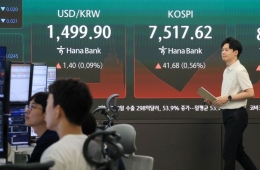
"What Good Is a Higher Minimum Wage? Japan Sighs as Soaring Food Prices Undermine Gains"
Hourly Minimum Wage at 1,177 Yen... Breakfast Purchasing Power Declines
Rice-Based Breakfasts: Down from 11.6 to 9.2 Days' Worth
Although the minimum wage in Japan has risen significantly, real purchasing power has actually declined because prices are rising even faster, Yonhap News reported on the 13th, citing the Asahi Shimbun.

The Asahi gave Osaka Prefecture as an example, noting that while the region's minimum wage rose by 22.1% to 1,177 yen (about 10,930 won) in 2023 compared to 2020, the amount of breakfast one could buy at minimum wage actually decreased.
For a bread-based breakfast consisting of white bread, milk, and eggs, ingredient costs have risen by 25% over the past five years. As a result, the number of days’ worth of breakfast that can be prepared with one hour of minimum wage decreased from 10.1 days to 9.8 days.
In recent years, the price of rice in Japan has soared, causing the cost of a traditional breakfast of rice, eggs, and miso soup to jump by 54% over the same period.
Consequently, one hour of minimum wage now covers only 9.2 days’ worth of rice-based breakfasts, down from 11.6 days, meaning the decline in purchasing power was even steeper for rice-based meals than for bread-based ones.
The Osaka Bar Association argued that for young citizens to maintain a decent standard of living in Osaka, a monthly living cost of about 274,000 yen (about 2.55 million won) is needed. However, at the current minimum wage level, they only earn about 204,000 yen (about 1.9 million won) per month, and called for a larger increase in the minimum wage.

High Oil Prices and Exchange Rates Push Food Inflation Higher...Korea's Food Prices Rank Second Highest in the OECD
Food prices in Korea have also shown little sign of stabilizing. According to the Ministry of Data and Statistics on the 9th, in the first half of this year, the prices of key agricultural, livestock, and fisheries products—including croaker (up 16.9%), rice (up 15.1%), ginseng (up 14.6%), mango (up 13.1%), and potatoes (up 10.5%)—rose sharply compared to the same period last year. This is attributed to rising international oil prices and prolonged high exchange rates due to instability in the Middle East, which have driven up the costs of raw materials, logistics, and agricultural production.
Hot Picks Today
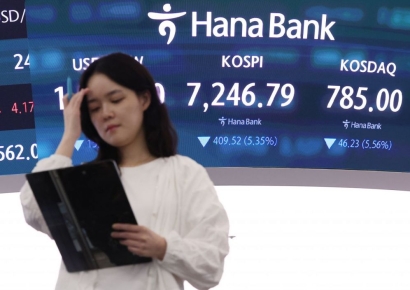 Report That Accurately Predicted KOSPI's 20% Plunge Now Says "Buy Now... Path to 11,450 Points Opens"
- [Exclusive] "Why Are Sales So Strong Only in Korea?"... 200,000 Units Sold in 10 Years Since Entering Korea [Tesla's Solo Run... Hyundai's Counterattack]
- [Breaking] Jeong Cheongrae Announces Bid for Democratic Party Leadership... "No Intention to Run for President Using Party Leader Position"
- "They Warned Us Five Years Ago": Collapse Inevitable After Ignoring the Danger... It Finally Gave Way [Infrastructure, From Construction to Replacement]③
- "Why the World Should Learn from Korea: Why Foreigners Are Impressed by Riding the Subway"
According to the OECD's Purchasing Power Parity (PPP) index, Korea's food and non-alcoholic beverage price index for 2024 stands at 146, the second highest among the 38 OECD member countries, just behind Switzerland (147). This level is higher than not only Japan (121) but also major advanced economies such as the United States (107), France (100), and Germany (95.2).
© The Asia Business Daily. All rights reserved. Unauthorized AI training and use prohibited.