Cultural Solidarity: "Regulating Harmful Music for Youth Is Prior Censorship"... Urges Withdrawal of Kim Hyun's Bill
Educational Rights, Human Rights, and Welfare Should Take Priority Over Restricting Expression
On July 13, seven cultural and arts organizations, including the Cultural Solidarity, issued a statement urging the withdrawal of Assemblywoman Kim Hyun's proposed amendments to the "Music Industry Promotion Act" and the "Information and Communications Network Act."

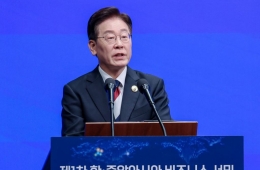
Kim Hyun, member of the Democratic Party of Korea and Chair of the Public Communication Committee. Photo by Yonhap News Agency
View original imageOn July 6, Assemblywoman Kim sponsored the two bills, aiming to block the distribution of music deemed harmful to youth. The proposed amendment to the Music Industry Promotion Act would impose an obligation on record producers to conduct their own assessments of harmful content, and prohibit the distribution of records produced by minors. The amendment to the Information and Communications Network Act would allow the head of a central administrative agency to request the Korea Communications Commission to issue an emergency suspension of distribution if a music track is deemed harmful, and to request platform operators to restrict distribution even before a formal review takes place.
In their statement, the organizations acknowledged the intention to curb the spread of hate speech, but argued that the amendments are designed to institutionalize prior control and censorship. They claimed that ambiguous standards for determining "harmfulness" could lead to arbitrary interpretation by government agencies and excessive responses by platforms. Regarding the emergency blocking provision prior to a formal review, they also pointed out that "there are concerns it could amount to prior censorship."
The organizations also criticized the bills for defining youth solely as objects of protection and control. They emphasized that "youth are not only consumers of culture but also creators and critics," and argued that policies encompassing educational rights, human rights, and welfare should take precedence over restricting expression. Furthermore, they called for the enactment of a "Comprehensive Anti-Discrimination Act," insisting that the issue of hate speech should be addressed through structural approaches rather than stronger regulation.
Hot Picks Today
 "Additional 25% Mobile Bill Discount From Today" Causes Stir Online... The Truth Revealed
- "The Clothes My Dad Used to Wear"... Ralph Lauren, Beanpole, and Hazzys See Sales Surge as MZ Generation Embraces the Trend
- "Read a Book and Get Paid"... How This Country Is Reviving Reading Habits Lost to Short-Form Content
- "Please Take Off Your Shoes"—From Crawling onto the Bed to Changing Habits, Young Americans Lead the Shift
- "Famous Actress on KBS Is Perpetrator's Sister"... KBS Responds to 'Busan Fall Death' Family's Plea
Signatories to the statement included Cultural Solidarity, After the Blacklist, Orijip, Project Tong, Writers Association of Korea, Hongwoojoo Social Cooperative, and Village Arts Network.
© The Asia Business Daily. All rights reserved. Unauthorized AI training and use prohibited.