Baewha Women's University Wins Grand Prize at AI Administrative Innovation Best Practice Contest
Winner of the Korea Research Foundation Chairman's Award
Baewha Women's University has been recognized for its achievements in administrative innovation by independently developing a university regulation management system utilizing generative artificial intelligence (AI).
On July 8, Baewha Women's University announced that the Planning Office's 'Baewha Regulation Guardians' won the Grand Prize in the Administrative Work Innovation category—the Korea Research Foundation Chairman's Award—at the "AI Utilization Administrative Innovation Best Practice Contest" organized by the Council for Junior College Innovation Support Projects. The contest was designed to discover and disseminate best practices in AI-based administrative capabilities among junior college staff. Out of all the entries submitted by junior colleges nationwide, 30 cases were selected as winners. The Baewha Regulation Guardians were recognized for their AI-driven administrative innovation by receiving the top award in the administrative work innovation category.

Image of Baewha Women's University Planning Office's 'Baewha Regulation Keepers' receiving the Grand Prize in the Administrative Innovation category at the 'AI Utilization Administrative Innovation Best Practice Contest.' Baewha Women's University
View original imageThe award-winning case was “Analysis of Consistency Between University Regulations and Higher Laws Using an AI Regulation Management System and Overhaul of Regulatory Documents.” The team independently designed and built their own platform, 'RegGuard (Regulation Guard),' which integrates generative AI Claude with the National Law Information Center’s open API.
This system reviews the consistency between internal university regulations and amendments to higher-level laws such as the Higher Education Act and the Private School Act. It also checks for conflicts and overlaps between internal regulations, as well as inconsistencies in terminology. Additionally, when a new regulation is being established, it can automatically generate a draft regulation and a request for enactment simply by entering relevant keywords.
The platform is utilized for the university’s entire set of regulations—about 220 items amounting to 1,300 pages—and has reduced the time required for consistency reviews from manual processes to approximately five minutes. The fact that the Planning Office staff themselves directly designed and built the system in collaboration with generative AI, without relying on external developers or specialists, received particularly high praise. This case has been evaluated as a shift in university regulation management from a reactive to a proactive approach, and as an example of administrative innovation led by on-site staff without the need for expensive commercial solutions.
Hot Picks Today
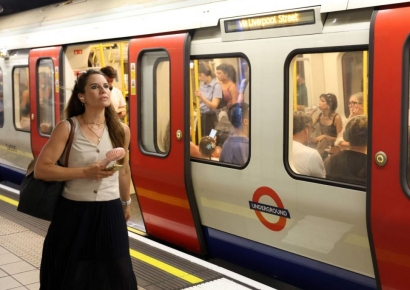 "Unimaginable in Korea": No Air Conditioning Despite 40°C Carriages... London's 'Gentleman’s Country' Endures Sweltering Subways
- "900 Snakes Escape in Heavy Rain, Including Venomous Species... Resident Hospitalized After Bite"
- PPP Protests Judiciary Committee Meeting... "Stop Abolishing Supplementary Investigation Authority and Resume Leadership Negotiations"
- "Beyond Discomfort—It's Enough to Make You Sick"...Criticism Mounts Over Prime Minister Takaichi's 260 Million Yen Necklace
- Snapping Photos in Tokyo Wearing Uniqlo and Drinking Asahi Beer: "What's No Japan?" A Shift in Consumer Trends
President Lee Hoochun stated, “It is meaningful that on-site administrative staff identified problems and developed solutions using AI, and that these efforts have been recognized nationwide. Building on this achievement, we will expand RegGuard to all departments within the university and actively share our best practices.”
© The Asia Business Daily. All rights reserved. Unauthorized AI training and use prohibited.



![[Breaking] National Assembly Communications Committee: "Eight Companies Including Naver Subject to Misinformation Law"](https://cwcontent.asiae.co.kr/asiaresize/307/2026062612110424741_1782443464.png)