Gwangju Special City to Hold First Public Forum on Government Building Function Allocation: Town Hall Meeting Set for July 9
Over 300 Participants Including Mayor Min Hyung-bae, Experts, and Citizens
Public Debate on the Roles of Dongbu, Muan, and Gwangju Government Buildings
The Jeonnam Gwangju Unified Special City (Gwangju Special City) is launching its first public forum to discuss the allocation of functions among government buildings—a key issue following the integration—with the participation of its citizens.
The Jeonnam Gwangju Daejeon Transition Planning Committee announced on July 8 that it will hold a town hall meeting under the theme "Designing the Unified Special City Government Buildings with Special Citizens" at the Small Performance Hall in the Muan Government Building at 2:00 p.m. on July 9.
This event has been organized to directly gather citizen opinions on how to allocate and operate the functions of the three government buildings—Dongbu Government Building, Muan Government Building, and Gwangju Government Building—and to reflect these opinions in future policy decisions.

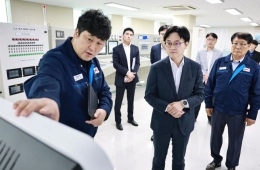
On the 22nd of last month, spokesperson Eunsook Yang announced the balanced operation plan for the 3 Government Buildings. Provided by the Jeonnam Gwangju Transition Planning Committee.
View original imageApproximately 300 people are expected to attend the town hall meeting, including Min Hyung-bae, Mayor of Jeonnam Gwangju Unified Special City, officials from the Jeonnam Gwangju Daejeon Transition Planning Committee, experts in administration and balanced regional development, and about 270 citizens representing 27 cities, districts, and counties. In particular, a diverse range of participants—including civic groups, youth, and community activists—will convey the perspectives of each region and share their views on the direction for allocating government building functions.
The event will begin with a report on the progress of the government building function allocation, followed by a town hall meeting in which citizens and the mayor will exchange their opinions directly. Participants will freely discuss topics such as the direction for assigning functions to each building, administrative efficiency, balanced regional development, resident accessibility, and strategies to revitalize the local economy.
In addition, experts in administration and balanced development will provide analysis and advice on citizen opinions and propose policy alternatives. The results of this discussion will be reflected in the process of establishing future plans for allocating functions and managing the organization of the unified special city government buildings.
The issue of allocating functions among government buildings is considered a core challenge for the unified special city, as it must ensure both balanced regional development and administrative efficiency. Depending on which functions are assigned to which building, the administrative center of gravity and regional development strategies could be affected, drawing significant interest from the community.
Yoon Nansil, Chairperson of the Citizen Sovereignty Committee of the Jeonnam Gwangju Daejeon Transition Planning Committee, said, "This town hall meeting is an exercise in citizen sovereignty, where special citizens directly participate in the policy-making process," adding, "We will thoroughly collect a wide range of citizen opinions to devise a broadly agreeable plan for allocating government building functions."
Hot Picks Today
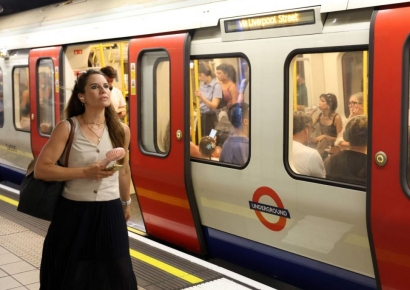 "Unimaginable in Korea": No Air Conditioning Despite 40°C Carriages... London's 'Gentleman’s Country' Endures Sweltering Subways
- "900 Snakes Escape in Heavy Rain, Including Venomous Species... Resident Hospitalized After Bite"
- "This Is a Company Worth 'Donjjal'ing": Delisting Fears Rise, But It's Been Supporting Veterans for 25 Years
- "Beyond Discomfort—It's Enough to Make You Sick"...Criticism Mounts Over Prime Minister Takaichi's 260 Million Yen Necklace
- Snapping Photos in Tokyo Wearing Uniqlo and Drinking Asahi Beer: "What Is No Japan?"—How Consumer Trends Have Changed
© The Asia Business Daily. All rights reserved. Unauthorized AI training and use prohibited.