[Reporter’s Notebook] Jang Yunki Case: A Preview of Expanding Police Powers?
Police Officer’s Father Destroyed Evidence
Revealed Through Prosecution’s Supplementary Investigation
Greater Authority Must Come With Stronger Oversight
![[Reporter’s Notebook] Jang Yunki Case: A Preview of Expanding Police Powers?](http://www.asiae.co.kr/news/img_view.htm?img=2026051107372156770_1778452640.jpg)
"There are no words."
This was the response given by Hong Seokgi, chief of the National Investigation Headquarters of the Korean National Police Agency, regarding allegations of inadequate investigation in the Jang Yoonki case. Even before concerns about post-prosecution reform could be addressed, shortcomings in police investigations surfaced first.
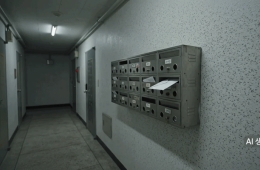
In Gwangju, the person who tampered with and disposed of key evidence left in the room of the murderer who killed a high school girl he had never met was none other than the murderer's father, an active police officer. The specific details that Jang Yoonki's father damaged and disposed of a sex doll and a mobile phone surfaced not through the police investigation, but through a supplementary investigation conducted by the prosecution. The head of the detective team in charge of the case now faces arrest on charges of evidence destruction. The National Investigation Headquarters belatedly excluded the existing detective lineup and formed a dedicated team within the anti-corruption investigation unit. This indicates that the police themselves found it difficult to trust the original investigation team.
Distrust in police investigations is erupting from multiple directions. In May, after repeated scandals and allegations of collusion, the Seoul Metropolitan Police Agency replaced many investigative and detective leaders in the Gangnam area. A legal community official stated, "How many cases do you think are manipulated or tampered with at the police stage? If they bury a case without referring it to the prosecution, there is no way for prosecutors to know." The current case became an issue only because it was exposed; cases that are never revealed cannot be subject to oversight in the first place.
The justification for prosecution reform was the risk of abuse when both investigation and indictment powers are concentrated in a single institution. If so, the same standard should be applied to the police. If the police initiate investigations, preserve evidence, and conclude cases without referral, that authority must also be subject to checks and balances. Reducing the scope of direct investigations by prosecutors while simultaneously weakening judicial oversight of police investigations does not create balance.
This is why supplementary investigative authority and mandatory referral of all cases are necessary. A senior prosecutor remarked, "The difference between police officers and prosecutors is not ability but perspective." Police view referrals and arrests as marks of achievement, while prosecutors focus on whether a case can be sustained for conviction in court. There are numerous cases where insufficient police investigations force prosecutors to re-summon witnesses and review evidence.
Hot Picks Today
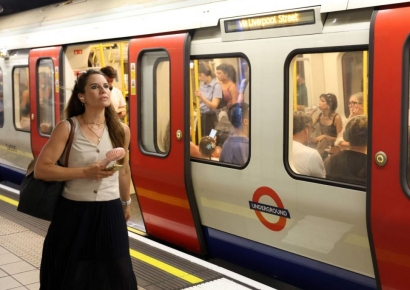 "Unimaginable in Korea": No Air Conditioning Despite 40°C Carriages... London's 'Gentleman’s Country' Endures Sweltering Subways
- "Thank You, Samsung Electronics and SK Hynix" National Pension Service Earns 189 Trillion Won from Domestic Stocks in Three Months
- Chanjin Lee, FSS Governor, Visits Military Again: "Manage Assets, Not Gamble"
- Thai Transgender Illegal Residents Earn Hundreds of Millions Through Dating Sites
- Snapping Photos in Tokyo Wearing Uniqlo and Drinking Asahi Beer: "What's No Japan?" A Shift in Consumer Trends
It is true that prosecutors in the past abused the power of direct investigation, and their own actions have led to the current calls for reform. However, the prosecution's faults do not justify leaving police powers unchecked. Police reform is not a mere follow-up to prosecution reform. Restructuring investigative authority should not just redistribute power, but should determine how that power will be kept in check.
© The Asia Business Daily. All rights reserved. Unauthorized AI training and use prohibited.