Seongnam Dating Homicide: Suspect Excluded from Arrest Warrant Despite Victim’s Grade A Risk Level
Excluded from Arrest Warrant Review Despite Highest-Risk Management of Stalking Victim
"Mechanical Reliance on Checklists" Sparks Debate Over System Effectiveness
It has been confirmed that the suspect in the dating violence homicide case that occurred in Seongnam, Gyeonggi Province, was not classified as 'high risk' in the police's relational crime risk assessment and was therefore excluded from consideration for an arrest warrant. Although the victim was managed at the highest risk level, grade A, due to concerns over stalking recurrence, the perpetrator was judged to be low risk, raising questions about the effectiveness of the current system.
At a regular briefing on July 6, the Gyeonggi Nambu Provincial Police Agency stated, "Suspect A was not classified as high risk under the three-tier relational crime risk assessment system."

A is suspected of fatally stabbing a woman in her 60s, B, at around 3 a.m. on July 5 in Sangdaewon-dong, Jungwon-gu, Seongnam, Gyeonggi Province. Immediately after the crime, A self-harmed and is currently undergoing treatment without having regained consciousness.
After ending a relationship of about four years with B, A was investigated by police last month on June 8 following a report that "my ex-boyfriend is harassing me." At the time, police only issued a dating violence warning, citing the lack of evidence of physical violence and the fact that the victim did not want to proceed with a formal case.
Subsequently, during the monitoring process by the Abuse Prevention Officer (APO), police recommended that B file a complaint after she reported continued unwanted contact. Two days later, B submitted a complaint, and investigations revealed that during this period, A made 15 missed calls and sent 8 protest messages.
Police provided the victim with a smartwatch and imposed emergency and provisional court measures on A, including a restraining order and a telecommunications access ban. Furthermore, B's risk level was raised to grade A, the highest for victims at risk of stalking recurrence, and she was managed accordingly.
However, A was not classified as high risk in the relational crime risk assessment. To be considered high risk, approximately three out of nine criteria must be met, such as committing a crime after a breakup, repeated reports, signs of violence, and history of confinement or location tracking. Police explained that they did not apply for an arrest warrant because A only met the 'after breakup' criterion and had no prior stalking offenses, repeat reports, or signs of violence.
On June 23, police questioned A as a suspect and obtained a confession regarding the crime, and continued monitoring for the victim's safety afterward. However, less than a month after the initial report and complaint, A visited B and killed her.
The police stated, "We judged the risk to be low based on the victim’s statement that there had been no additional contact from the suspect after the complaint was filed."
This incident has exposed the limitations of the current assessment system, where the victim is managed as high risk but the perpetrator is excluded from custody measures for failing to meet the risk criteria. Some argue that the system should move beyond mechanical reliance on checklists and be improved to better reflect the risks of individual cases.
Hot Picks Today
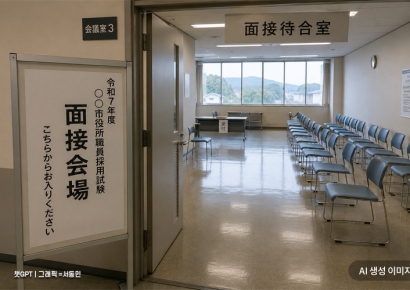 "Who Wants to Be a Public Servant These Days?" Japan on High Alert as Technical Positions See Zero Applicants
- "Another 3 Million Won Target"... Why Securities Firms Are Re-Evaluating Samsung Electro-Mechanics [Click e-Stock]
- "48% Plunge in a Single Day"—Unbelievable? Samsung Electronics and SK hynix Leverage ETFs Face Calls for Delisting
- Thought It Was a Salary, But It's $5,860 Rent... Even a $190,000 Salary Can't Keep Up in This City
- "Can't Even Pay the Freezer Electricity Bill"... Ice Cream Company Sees 99% Plunge in Brand Value
Meanwhile, the police plan to investigate the circumstances and motives of the crime, including whether it was premeditated, by analyzing the suspect’s mobile phone and CCTV footage. In addition, as it has been confirmed that the prosecution, which took over the case, summarily indicted A for stalking on June 30—five days before the murder—they will also investigate whether dissatisfaction with the fine imposed contributed to the motive for the crime.
© The Asia Business Daily. All rights reserved. Unauthorized AI training and use prohibited.