"We'll Refund You, So Please Stop Coming"... Why Was a Man Kicked Out of the Gym?
Chinese Man Receives Refund Due to Body Odor
Hyperhidrosis and Bromhidrosis Require Medical Attention
Recently, a story from China has gone viral after a man was forced to cancel his gym membership and received a refund due to his strong body odor.
According to the South China Morning Post (SCMP) and other sources on July 3, a man surnamed Smo from Hangzhou, Zhejiang Province, China, paid about 6,388 yuan (approximately 1.45 million won) in May last year to register for a three-year gym membership valid until April 2028. Having previously weighed as much as 125kg, Smo lost weight down to 80kg about ten years ago and, finding enjoyment in exercise, visited the facility more than five times a week.

The photo is for illustrative purposes and is not related to specific content. Pixabay
View original imageHowever, on June 20, Smo received a shocking message from the gym. Due to complaints from other members about his body odor, the gym informed him that they could no longer maintain his membership. The gym refunded him 3,888 yuan (about 880,000 won), corresponding to the remaining period of his membership, and, as an apology, also gave him a voucher for three months of free access at another nearby gym.
The gym explained, "Smo sweats excessively when exercising and his body odor is also very strong." In contrast, Smo stated, "It's true that I sweat a lot, but I always brought several towels and wiped down the equipment to avoid inconveniencing other members," and appealed, "I want to continue using this gym, which is close to my home."
Excessive sweating or strong odor from sweat, as in Smo's case, is likely a condition that requires medical attention. If you sweat much more than others to the point that it interferes with daily life, you should suspect hyperhidrosis.
Hyperhidrosis is mainly divided into two types. Primary hyperhidrosis occurs as a result of an excessive response of the autonomic (sympathetic) nervous system without any underlying disease. Sweat mainly accumulates in localized areas such as the palms, soles, armpits, and face. It can be worsened by genetic factors, stress, or anxiety. Secondary hyperhidrosis is a condition in which excessive sweating occurs throughout the body due to another underlying disease. It is commonly seen with conditions such as hyperthyroidism, diabetes, tuberculosis, and hormonal changes during menopause, and can also be caused as a side effect of certain medications.
If your sweat has a particularly strong odor, you should suspect bromhidrosis (also known as body odor). Especially if you are obese or maintain a high-fat, high-calorie diet, this can stimulate apocrine sweat glands and worsen the odor.
To prevent and manage excessive sweating and body odor, cleanliness and dryness are important. After exercising, you should thoroughly wash off oil and sweat using antibacterial soap, and completely dry folded areas such as the armpits to prevent bacterial growth. Reducing high-fat foods such as meat, butter, and cheese, and consuming green and yellow vegetables rich in vitamins A and E can help alleviate body odor.
Hot Picks Today
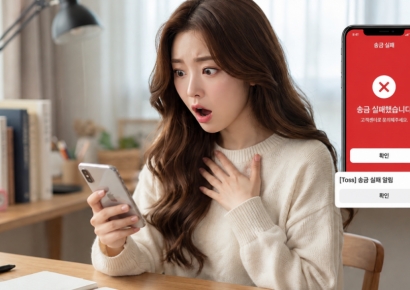 "The Transfer Failed, but 'Ding-Dong,' Money Came In"... KRW 32.5 Billion Financial Incident at Toss Bank
- "People with money have already moved," they say... 1,700-ton underground vault full as the wealthy flock to this country
- Legend Who Turned 40-Store Olive Young into a "KRW 1 Trillion Giant"... Returns to Shinsegae After 25 Years as a Rescuer
- Saemaul Geumgo Posts 3.6 Trillion Won in Net Losses Over 3.5 Years... "Comprehensive Measures Needed"
- 'Hangover Legend' Returns After 11 Years... Lee Sunmin Hyung's 'Captain Q' Sells Out
If sweating or odor causes difficulties in social life or relationships, you should seek medical treatment. Treatments include applying medication to block the sweat gland ducts or injection therapy with botulinum toxin to reduce sweat production. If bromhidrosis is severe, surgical removal of the apocrine glands may resolve the issue.
© The Asia Business Daily. All rights reserved. Unauthorized AI training and use prohibited.