Ruling Party Judiciary Committee Discusses Follow-up Measures for Abolishing Supplementary Investigation Rights: "Ensuring No Gaps in the System"
Discussion on Measures to Manage "Police Non-Referral Cases" and Related Issues
On July 3, the Democratic Party of Korea held a "Workshop for Lawmakers in Preparation for the Second Half of the National Assembly" and focused its discussions on the issue of supplementary investigation rights, which is considered the final task in the so-called "prosecution reform."

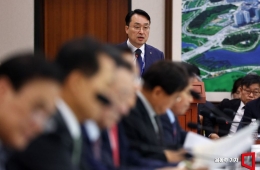
Chairwoman Younggyo Seo conducting the first National Assembly Judiciary Committee meeting in the second half of the year. Photo by Yonhap News
View original imageIt has been reported that Democratic Party lawmakers on the Legislation and Judiciary Committee convened a group discussion during the workshop at Dragon City Hotel in Seoul that afternoon, where they discussed directions for amending the Criminal Procedure Act to abolish prosecutors' supplementary investigation rights and enhance the effectiveness of police investigations.
Kim Seungwon, the ruling party secretary of the Legislation and Judiciary Committee, reportedly introduced key issues related to "follow-up measures after the abolition of supplementary investigation rights." He pointed out the need to discuss whether and how to grant complainants and accusers the right to file objections if the police decide not to refer a case for prosecution.
With a certain level of consensus within the party regarding granting prosecutors the right to request supplementary investigations, there were also opinions that discussions should focus on the specific mechanisms for granting such rights. It is also reported that there were suggestions to first establish a procedure to gather the views of criminal justice practitioners, including prosecutors, police officers, and lawyers.
This workshop was held amid calls for caution in designing the system, with some lawmakers expressing concerns in group chatrooms about the potential side effects of fully abolishing supplementary investigation rights.
As Chairwoman Younggyo Seo of the Legislation and Judiciary Committee is expected to submit the amendment bill to the Criminal Procedure Act, sponsored by Assemblyman Yongmin Kim and others, to the committee next week, there are also calls for close coordination between the party leadership and the committee to ensure progress is made at the same pace.
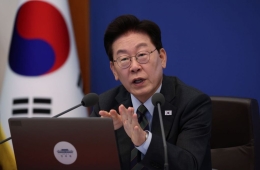
Han Byungdo, acting representative and floor leader, emphasized at a policy coordination meeting the previous day, "We will swiftly devise measures to thoroughly accomplish the historic task of abolishing supplementary investigation rights," and also highlighted the need to "establish a criminal justice system trusted by the public."
Hot Picks Today
 "Korean Beef for Dinner Tonight" - Drawn in by Half-Price Deals, but... "What Else Is There to Buy?" at 'Empty' Homeplus
- [Exclusive] "My paycheck fell short, and I couldn't get a card loan either" More people in their 40s and 50s turn to 'cash advances'; "debt-investing woes" put long-term delinquency among those in their 20s and 30s on red alert
- “I Thought It Was Just Inflammation”: 70 Men Have Died of Breast Cancer in This Country in 5 Years
- "Three Free Meals, Botox with a 1.69 Million Won Allowance"... Benefits Race Heats Up in Japan Amid Talent Shortage
- "Come Live With Me on My Farm": Man Sells Everything and Travels 1,930 km, Trusting a Beautiful Woman
The Legislation and Judiciary Committee also plans to prioritize key bills such as the abolition of the crime of breach of trust, the class action bill, and a special statute of limitations bill for anti-human rights state crimes, in addition to the amendments to the Criminal Procedure Act. The bill to abolish the abortion ban, which was found unconstitutional by the Constitutional Court, will also be treated as a priority bill.
© The Asia Business Daily. All rights reserved. Unauthorized AI training and use prohibited.