"Don't Travel to Japan": Chinese Tourists Shift to South Korea This Summer
Zero Flights on 25 China-Japan Routes
Continued Fallout from Chilled Relations
Travelers Shift to South Korea and Thailand
Amid ongoing chilly relations between China and Japan that have continued for several months, it has been reported that all flights on 25 air routes connecting the two countries were canceled last month.

According to Yonhap News Agency on July 3, Chinese media outlets including Yicai and Global Times reported, citing the aviation data platform “Hangban Guanjia (航班管家) DAST,” that 1,488 flights from mainland China to Japan were canceled last month, resulting in a cancellation rate of 37.5%.
For example, the route between Beijing Daxing International Airport and Kansai International Airport in Osaka, Japan, typically operates 90 flights per month, but all were canceled last month.
The route from Shanghai to Osaka saw the highest number of cancellations, with 325 flights canceled last month, translating to a cancellation rate of 45.3%. This is believed to be a continuing effect of Japanese Prime Minister Sanae Takaichi’s remarks in November last year, suggesting Japan might intervene in the event of a Taiwan emergency.

China has issued an advisory urging its citizens to refrain from traveling to Japan. The number of travelers from mainland China visiting Japan in May this year dropped by 60.4% compared to the same period last year, marking a year-on-year decline for the sixth consecutive month.
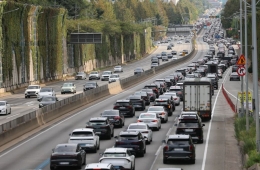
Chinese media have pointed to South Korea and Thailand as countries benefiting from this situation. In 2025, Japan was expected to be the top destination for international flights departing from China, but since mid-December last year—following Prime Minister Takaichi’s remarks—South Korea has taken the top spot.
In the first half of this year, the number of flights to South Korea has surpassed the level seen in 2019 before the COVID-19 outbreak. Furthermore, unlike South Korea—which has extended the waiver of visa issuance fees for Chinese group tourists and others until the end of the year—Japan has increased visa fees for Chinese nationals and others.
Hot Picks Today
 "Auntie, When Will Dried Shredded Squid Return as a Side Dish?"...Once Vanished from Restaurants, Now Making a Comeback
- Monthly Salary Soars 3.7 Times from 8.25 Million Won to 30.59 Million Won... 86 Fair Trade Commission Retirees Join Law Firms Over 10 Years
- "You've Earned Your Wealth—Now It's Time to Use It Well"...Seniors Turning to Financial Centers Before Illness Hits [Finance Embracing Seniors] ①
- "Is the Dermatology Clinic Near My Home Affected Too?... Where Have All the Resigned Residents Gone?"
Wang Feng, a researcher at the Beijing Academy of Social Sciences, said, “Japan’s measures are affecting Chinese people’s travel to Japan,” adding, “This summer, South Korea is absorbing demand for short-haul travelers and Europe is accommodating long-haul demand, leading to a redistribution of Japan’s market share in the travel sector.”
© The Asia Business Daily. All rights reserved. Unauthorized AI training and use prohibited.