"Do Not Try This at Home": 'Malangyi Toy' Burn Incidents Surge After Microwave Mishaps
Burn Injuries After Copying SNS Trends
Heated Inner Gel Adheres to Skin
In the United Kingdom, concerns over safety are growing as incidents of serious burns continue to occur after the popular toy known as the "Squishy Dumpling" was heated in a microwave.

You can easily find content related to Malangyi toys on YouTube. YouTube screenshot
View original imageThis toy is also known as "Malangyi" in Korea. It is made from elastic materials such as sponge, silicone, or polyurethane foam. Due to its characteristic of returning to its original shape even after being squeezed, it has become popular as a stress-relief toy. In addition to Malangyi, there is also "Seullangyi," a combination of Malangyi and slime.
According to UK media outlets including The Sun and the BBC on July 1 (local time), videos showing Malangyi-type toys being heated in microwaves have recently spread on social networking services (SNS) such as TikTok in the UK. However, this method of use has led to an increasing number of actual burn incidents.
The Royal Hospital for Children in the UK announced that it has treated six child patients for burns caused by heated Malangyi toys over the past eight months. For some of these children, the injuries were so severe that surgical procedures such as skin grafts were required.
Among the patients, an 11-year-old girl suffered serious burns when the toy burst after being heated in the microwave, causing the internal chemicals to splash onto her face and eyelids. The girl's mother recounted, "Her face was so severely swollen that it was impossible to check her condition," adding, "Since it was near her eyes, the situation could have been even more serious."
Experts have warned that while toys heated in a microwave may feel lukewarm on the outside, the internal gel can reach extremely high temperatures, making it prone to rupture. They cautioned that hot gel could adhere to the skin and cause severe burns.
Meanwhile, it was recently revealed that counterfeit versions of the toy contained benzene, a carcinogenic substance, at levels four times higher than the legal limit. As a result, some distributors have initiated product recalls. Benzene is classified as a Group 1 carcinogen by the International Agency for Research on Cancer (IARC), under the World Health Organization (WHO).
Hot Picks Today
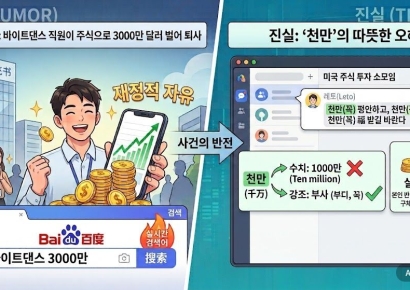 "ByteDance Employee in His 20s Quits After 'Earning $30 Million from Stocks'... But Here's the Truth"
- "I Thought My Life Would Change After Getting Hired at SK Hynix, But After Starting Work, My Salary Was..." The Reason Behind the Disappointment
- "Quitting Delivery Was the Right Move" $30,000 Monthly Windfall... Young Americans Leave Jobs to Start Businesses
- "Manager Kim Is Disappearing"... KT Scales Down Workforce Aged 40 and Older
- Suspicious Achievements of Famous 'Beauty' Policewoman Revealed to Be Handed Over by Male Colleagues... Taiwan in Shock
The UK Health and Safety Executive has warned that prolonged exposure to benzene can increase the risk of various cancers, including leukemia, and may also cause irritation of the eyes, nose, and throat, as well as damage to the skin and digestive organs.
© The Asia Business Daily. All rights reserved. Unauthorized AI training and use prohibited.