Netflix Introduces AI Advertising... Can It Overcome Privacy Regulations and Disrupted Immersion?
First Launched in the U.S., Global Expansion Planned by Year-End
Domestic Restrictions Include Prior Consent for Personal Data Use
"Complying with Country-Specific Regulations... Maintaining Immersive Advertising"
Netflix has partnered with the global advertising agency group Omnicom Media Group to launch a hyper-personalized advertising service powered by artificial intelligence (AI). This strategy is interpreted as an effort to maximize profitability by increasing advertising rates in line with the rising number of subscribers on its ad-supported plan.

According to industry sources on June 30, the collaboration between the two companies centers on combining Omnicom's audience data with Netflix's AI advertising technology. Instead of simply displaying ads based on age and gender, the AI directly generates and places advertisements tailored to viewers’ real-time situations and preferences.
Netflix produces ads by running its own AI engine and large language model (LLM) based on audience data received from Omnicom. The AI creates dozens of versions of a single advertisement according to individual viewer tastes and ensures that ads blend naturally into the mood or universe of the title being watched. For example, even when watching the same drama, a viewer interested in cars will see a car ad from Company A, while someone interested in smartphones will be shown Company B's latest phone.
This service is currently being implemented in the United States, with plans to expand to global markets, including Korea, by the end of the year. However, in the domestic market, it will be introduced in a limited form, and the impact of immersive advertising is expected to be diminished. This is because regulations in Korea are much stricter than in the United States.
In the U.S., a "post-refusal" approach is applied, where personalized ads are delivered by default, but if a viewer indicates in the settings, "Do not use my data," the ads stop being personalized. In contrast, in Korea, "prior consent" from viewers must be obtained beforehand. Furthermore, the Personal Information Protection Commission plans to classify platforms as high-risk and conduct rigorous inspections of personal data handling. An official from the Personal Information Protection Commission explained that they are currently considering how to categorize various types of platforms, such as e-commerce and streaming, by risk levels.
The degree of freedom in combining viewer behavior data between companies also differs. In the U.S., this process is relatively unrestricted, but in Korea, even pseudonymized data that cannot identify individuals must go through a "nationally designated specialized agency" before it can be combined with data from other companies. Even then, this is only allowed for purposes such as scientific research, statistical compilation, or preservation of records for the public good. A representative from the Personal Information Protection Commission stated, "Commercial marketing does not meet these purposes, and providing personalized services itself involves identifying individuals, so such data combinations are not permitted."
Hot Picks Today
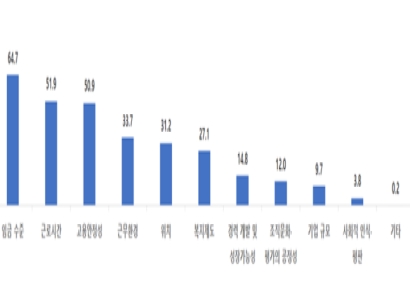 "Please Pay Me at Least 3 Million Won a Month": More Than Half of Young People Today Prioritize "Working Conditions" Over Company Size
- Selling Like Crazy Every Year... 30-Year-Old Hetbahn Takes on a New Challenge: Tastes Better Than "Mom's Home Cooking" [On-Site Report]
- "Americans Would Be Amazed If They Came": Wide-Eyed at a Sight They've Never Seen Before... Foreigners Also Fall for K-Baseball [K-Holic]
- President Lee Narrows Candidates for Next Justice Minister to Former Prosecutors Yang Bunam and Park Gyuntaek
- Beachgoer Finds 'Plastic' That Turns Out to Be Perfume Ingredient Worth More Than Twice as Much as Gold
The requirement to clearly indicate that content is AI-generated may also reduce the sense of immersion. Regarding this, a Netflix representative said, "While specific details on launching in global markets, including Korea, have not been finalized, we will comply with country-specific regulations," adding, "It is expected that the service will be tailored based on viewers’ preferences according to the content they watch."
© The Asia Business Daily. All rights reserved. Unauthorized AI training and use prohibited.