Park Hongkeun Begins Improving Integrated Fiscal Project Evaluation System to Establish Performance-Based Fiscal Management
Hongkeun Park, Minister of Planning and Budget, has launched an initiative to improve the Integrated Fiscal Project Performance Evaluation System, which was implemented for the first time this year. The ministry plans to incorporate feedback from evaluation committee members in the field to prepare an enhanced performance management plan within the year and further refine the performance-based fiscal management system.
On June 26, Minister Park held a luncheon meeting in Jung-gu, Seoul, with the Fiscal Project Performance Evaluation Committee to discuss areas for improvement identified during the operation of the integrated evaluation system. He stated, “The fiscal project performance evaluation serves as a compass to verify how efficiently national finances are working for the lives of the people,” and added, “We will enhance objectivity, expertise, and accountability in evaluations and supplement the system so that the results can lead to tangible expenditure restructuring.”
This meeting served as a follow-up to the announcement of the 2026 Integrated Fiscal Project Performance Evaluation on June 18. At that time, the government selected 901 out of 2,487 fiscal projects as targets for expenditure restructuring, including reduction, abolition, or integration. The proportion of projects designated for restructuring exceeded twice the average rate of underperforming projects (15.8%) over the past five years, reaching a record high. The government plans to use this as the starting point for the preparation of next year’s budget proposal.

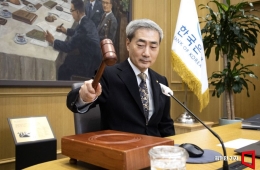
Hongkeun Park, Minister of Strategy and Finance, is meeting with Hyunsong Shin, Governor of the Bank of Korea, at the Bank of Korea in Jung-gu, Seoul on May 14, 2026. Photo by Jinhyung Kang
View original imageDuring the meeting, Minister Park remarked, “As this is the first year of the Integrated Fiscal Project Performance Evaluation, we achieved meaningful results by identifying 901 projects, or 36.2% of all evaluated projects, for reduction or consolidation.” He assessed this as “an important first step toward reinforcing efficiency and accountability in fiscal management from the perspective of the people.”
The evaluation committee members shared the challenges of having to review a large number of projects within a short period and proposed improvements such as introducing group evaluation methods like joint reviews, establishing an online-based project history management system, and strengthening the feedback mechanism for evaluation results. In particular, they agreed on the need for institutional enhancements to ensure that evaluation results are directly linked to actual expenditure restructuring and project improvement.
Hot Picks Today
 Despite "Insufficient Balance" Notices, They Board Anyway... Reports of Foreign Fare Evasion Mounting
- "If It Helps My Child's Studies, It's Worth Every Penny"... U.S. Parents Open Their Wallets for $10,000 Tests
- [Exclusive] "We Came for a KRW 140,000 Trip": Following Chinese Tourists in Korea Uncovers a 'Suspicious' Tour
- "I'm paying to stay, and you want me to do the laundry and dishes too?" ... Airbnb bans excessive cleaning demands
- "Baek Jongwon Had Been Quiet, Then Hit It Big"... Waits in the 100s in U.S. Despite KRW 46,000 Pork Belly
The Ministry of Planning and Budget intends to compile the committee’s feedback this year and establish guidelines for next year’s integrated fiscal project performance evaluation by the end of the year. The ministry will continue to refine the system by reflecting issues identified during the first implementation.
© The Asia Business Daily. All rights reserved. Unauthorized AI training and use prohibited.