"Even If Reality Is Grim, I Make My Day Enjoyable"... Do You Know the Gen Z 'Whimsy' Trend? [World is Z Gold]
The 'Whimsy' Trend Spreads Amid Uncertain Times
Seeking Small Joys in Everyday Life with Playful Sensibility
"A Cheerful Way to Cope with Difficult Realities"
Concerns Over Consumerism Raised by Some
The 'Whimsy' trend, which is about seeking small moments of happiness amid an anxious reality, is spreading. This lifestyle evokes a dreamy yet playful sensibility, reminiscent of a scene from a fairy tale, and infuses it into everyday life. Although anxiety is growing throughout society due to the economic downturn and wars, this trend reflects the mindset of the younger generation, who are at least trying to make their own daily lives enjoyable.
From Cute Pajamas to Pretty Cups... Making Everyday Life Special with 'Whimsy'

If you search '#Whimsy' on TikTok, related posts appear one after another. TikTok
View original imageRecently, The New York Times in the United States highlighted the Whimsy trend that is popular among young people. The outlet introduced, "For the younger generation, 'Whimsy' is a cheerful way to cope with difficult realities," and described it as "a phenomenon that fits well with the current era."
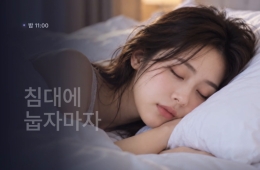
'Whimsy' originally means quirky and imaginative actions or thoughts. However, in recent times, it is often used to refer to an attitude toward life that values small daily pleasures. Wearing cute pajamas, drinking coffee from a favorite mug, or rekindling childhood hobbies are all considered representative of Whimsy culture, as ways to create little moments of personal happiness. Alongside this, the 'Whimsycore' style—which involves bringing fairy tale-like sensibilities into everyday life by, for example, decorating toast with star-shaped toppings or arranging rooms with lace curtains and dried flowers—is also attracting attention.
Liz Plank, a podcaster based in Los Angeles, said that although she went through a difficult period earlier this year, her life changed after she started wearing frilly pajamas and making coffee just for herself every morning. She shared, "I bought a beautiful coffee machine and made a habit of preparing a morning coffee just for myself, and it really made me feel better."
Those who embrace the Whimsy trend see it as one way to cope with an uncertain reality. Even amid economic hardship, war, and political instability, they find happiness in the small aspects of daily life that they can control. Plank said, "We cannot control what leaders do," but added, "We can choose what mug to use, what cute clothes to wear, and what beautiful thing to do in the morning."
"An Escape from SNS Fatigue" vs "A Commercialized Consumer Culture"

Some believe that fatigue from social networking services (SNS) is one of the reasons behind the popularity of the Whimsy trend. Dr. Nassir Ghaemi, professor of psychiatry at Harvard Medical School, explained, "As online experiences have dragged on, Millennials & Gen Z have realized that many of their online interactions lack authenticity." He continued, "Now, they are searching for ways to communicate more genuinely with each other, and one solution is turning their attention to offline activities." He analyzed that the Whimsy trend could become an opportunity to move away from the performative culture of SNS and foster more authentic relationships.
However, some critics argue that Whimsy is being transformed into yet another trend that encourages consumption. Jordan Williams, a lecturer at the University of North Carolina at Greensboro, pointed out, "True Whimsy has existed for a long time, but now companies are using it as a new marketing tool."
Hot Picks Today
 "Only 3 Passengers on a 180-Seat Flight"... The Shocking State of the 'Honeymoon Hotspot'
- "Work That Took a Month Now Done in Just 8 Hours"…Samsung and LG Turn to AI to Counter China's Pursuit
- "Returning Excess Fees Collected Under Previous Administration"...$680 Per Person Refund for 950,000 Americans
- [Breaking] President Lee Approves Re-Submission of Personnel Hearing Request for Kim Jiyong, Chief of Serious Crimes Investigation Agency Nominee
- "Nothing Left to Buy, Feeling Indifferent"... 'Rich Daughter' Vibe in Department Stores with 'Hyunbaek Core'
In fact, on social networking services (SNS), there is a flood of content introducing "must-buy items for Whimsy." Some young people have expressed concern about the commercialization of the trend, saying, "The moment Amazon recommends a shopping list for Whimsy, it’s no longer Whimsy—it's capitalism."
© The Asia Business Daily. All rights reserved. Unauthorized AI training and use prohibited.