Financial Institutions Accelerate Write-Offs of Long-Term Delinquent Loans... Moral Hazard Concerns Persist
Shinhan Financial Group Plans to Write Off a Total of 500 Billion Won This Year
Woori Financial Group, NongHyup, and Hana Financial Group Also Follow Suit
Aligned with the Government's "Inclusive Finance" Policy
Fairness Concerns for Diligent Borrowers Remain an Issue
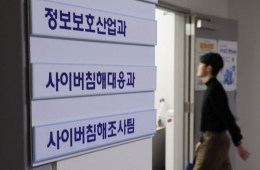
Financial institutions are increasingly writing off long-term delinquent loans. This initiative aligns with the government's policy of "inclusive finance," aiming to support the financial recovery of vulnerable groups who are struggling to repay their debts. However, concerns about fairness for diligent borrowers remain an unresolved issue.

According to the financial industry on June 25, Shinhan Financial Group plans to write off 330 billion won worth of long-term delinquent loans in the first half of this year, with a total of 500 billion won to be written off for the entire year. By affiliate, Shinhan Bank already wrote off 57.6 billion won worth of long-term delinquent loans in February and is preparing to clear an additional 120 billion won in loans that have been delinquent for more than seven years. Shinhan Card wrote off approximately 150 billion won in loans that have been delinquent for over eight years on June 10. Jeju Bank and Shinhan Savings Bank are also joining the effort, writing off a combined 6 billion won in long-term delinquent loans.
Woori Financial Group plans to write off approximately 280 billion won in long-term delinquent loans this year. The targets for write-off are loans that have been overdue for more than five years and have a balance of less than 50 million won. In March, Woori Bank suspended collection and waived accrued interest on around 40 billion won worth of long-term delinquent loans, and these loans are also set to be written off. In the second half of the year, an additional 120 billion won worth of long-term delinquent loans will be eliminated. Woori Card is also planning to write off about 120 billion won in long-term delinquent loans.
The National Agricultural Cooperative Federation (NongHyup) has also established its own write-off plans for delinquent loans by affiliate, totaling 687 billion won: 287 billion won for NongHyup Bank, 150 billion won for local agricultural cooperatives, and 250 billion won for NongHyup Asset Management. Hana Financial Group will write off approximately 200 billion won in personal delinquent loans classified as special assets that have been overdue for more than five years and have a balance of less than 50 million won. KB Kookmin Bank cleared 33.5 billion won worth of long-term delinquent loans in March and will write off an additional 100 billion won this month, bringing the total to 133.5 billion won in loans written off independently.
The drive among financial institutions to accelerate the write-off of long-term delinquent loans is rooted in the government's inclusive finance policy. President Lee Jaemyung stated at a cabinet meeting on June 2, "We must ensure that people no longer say they want to die because of debt," and called for system improvements. Earlier, President Lee had referred to the practice of continuous collections without loan write-offs as "primitive, predatory finance." Financial authorities are also pursuing the implementation of an inclusive finance evaluation framework for banks, which is expected to include the scale of long-term delinquent loan write-offs as an assessment criterion.
Hot Picks Today
 "300,000 Won Grant" Shelved at Chuseok to Go to All Residents After All... This City Says It Will Pay Before Lunar New Year
- "Didn't Save This Money to Leave to Our Kids?"... Retired Couples Spend $10,000 on a Single Trip
- "A Really Beautiful Butt"... How Did Nicki Minaj React to Trump's Unexpected Remark?
- HD Hyundai Marine Solution Posts Weak Q3 on FX, Acquisition Costs; Target Price Cut 12.1% [Click e-Stock]
- "Stockpile 9 Liters of Bottled Water and Three Days' Worth of Food"... UK on Edge as Nationwide Emergency Preparedness Alert Issued
While the write-off of long-term delinquent loans is expected to reduce the debt burden on financially vulnerable groups, the issue of fairness for diligent borrowers remains a contentious point. Critics warn that this approach may encourage moral hazard, with some believing that "if you hold out long enough, your debt will be forgiven." Kang Sungjin, professor of economics at Korea University, explained, "If a large amount of long-term delinquent loans are written off, it provides no benefit to those who have lived diligently without debt, and instead increases the incentive not to repay debts. Rather than forgiving principal, it would be more appropriate for the healthy functioning of capital markets to reduce interest rates while requiring repayment of the principal."
© The Asia Business Daily. All rights reserved. Unauthorized AI training and use prohibited.