[Exclusive] OECD Again Urges Labor Reform in Korea: "Dual Structure and Seniority-Based Wage System Must Be Addressed"
No Youth Employment Without Labor Reform
2026 Korea Economic Survey to Be Released in Early July
Recommendations for Structural Reforms in Labor and Fiscal Policy
Gender Wage Gap and Long Working Hours Also Highlighted
The Organisation for Economic Co-operation and Development (OECD) is expected to recommend improvements to the chronic issues of the Korean labor market, such as its dual structure, seniority-based wage system, and gender wage gap, in its upcoming Korea Economic Survey report to be published in early July.

Students in a university library in downtown Seoul are giving up their vacation and sweating hard preparing for employment.
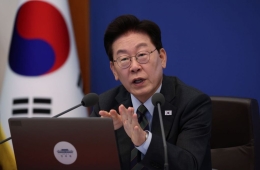
View original imageAccording to the Ministry of Economy and Finance and the Ministry of Employment and Labor on June 24, the Economic and Development Review Committee (EDRC) under the OECD is currently coordinating the final wording with the Korean government for the "Economic Surveys: Korea 2026" report, which will be published soon. The Korea Economic Survey, published every two years, is a comprehensive report that assesses the economic strength of member countries. It covers topics such as macroeconomics and structural reforms in labor and fiscal policies. This edition will be the first since the inauguration of the Lee Jaemyung administration.
It is reported that the OECD will identify key tasks in the labor sector, including the dual structure of the labor market, the gender wage gap, and the seniority-based wage system centered on years of service. The OECD's judgment is that the entrenched gap between large companies and regular employees versus small and medium-sized enterprises and non-regular workers is undermining labor market mobility and productivity.
![[Exclusive] OECD Again Urges Labor Reform in Korea: "Dual Structure and Seniority-Based Wage System Must Be Addressed"](http://www.asiae.co.kr/news/img_view.htm?img=2026061814290814490_1781760548.png)
In particular, the wage system in which pay increases with length of service—rather than based on job role or performance—is expected to be highlighted as a factor reducing labor market efficiency in the era of population aging. The OECD has continuously raised the need for Korea to reform its wage system to better reflect job responsibilities and performance. Korea's gender wage gap will also likely be included as a major area for improvement. Korea is considered one of the countries with the largest gender wage gaps among OECD members. The OECD has pointed to the career breaks women face due to childcare and caregiving, as well as the long working hours culture, as structural factors that widen the wage gap.
Hot Picks Today
 "Once Worth 4 Million Won a Day, Now Going for Chicken Money"... Chinese Robots' Humiliating Fall to 'Bargain-Bin' Prices in Just One Year
- "Who Says It's a Meal for Ordinary People? It Deserves 'Special Dish' Status Now"... The Era of 12,000-Won Bibimbap
- "I will open fire at a childcare center"... Australian man in his 20s arrested over AI chatbot conversation
- U.S. Treasury Secretary: "Even if Democrats win the House, it will be hard to block tariff policy"
- "I Won't Take It Even If You Leave It to Me"... 9 Million Parents' Homes Sit Empty as 320,000 Japanese Renounce Inheritances
In addition, the report is expected to include comprehensive measures for labor market structural reform, such as expanding the use of parental leave, increasing women's participation in economic activities, and improving working hour practices. A government official stated, "The EDRC is pointing out issues such as the dual structure of the labor market and the gender wage gap, but positively evaluates the government's efforts to address these problems," adding, "We will continue discussions and respond until the report is published."
© The Asia Business Daily. All rights reserved. Unauthorized AI training and use prohibited.