Sentencing Guidelines to Be Established for Repeat Drunk Driving Within 10 Years and Obstruction of Breathalyzer Tests
Protection for Debtors from Illegal Debt Collection
Forcing Debtors or Associates to Raise Repayment Funds
"Shaming" Collection Practices Also Newly Included
Sentencing guidelines for repeat drunk driving offenses within 10 years and for crimes involving obstruction of breathalyzer tests, known as "Sultagi," will be newly established.

According to the legal community on June 23, the Supreme Court Sentencing Commission held its 146th plenary meeting the previous day to review the scope and classification of proposed amendments to sentencing guidelines for traffic offenses, violations of the Act on Registration of Credit Business and Protection of Finance Users, and violations of the Debt Collection Act. Sentencing guidelines serve as a reference for judges in making rulings. While not legally binding, judges must state the reason in their judgment if they deviate from these guidelines.
Reflecting heightened public awareness over repeat drunk driving, the Sentencing Commission decided to newly include "repeat drunk driving within 10 years" and "refusal to take or obstruction of a breathalyzer test" within the scope of the guidelines. To ensure fairness, new sentencing guidelines will be set not only for imprisonment but also for fines.
Reflecting revisions to the Road Traffic Act following the Constitutional Court's ruling of unconstitutionality, the previous system of aggravated punishment without a time limit has been subdivided, creating a new, separate category for "repeat offenses within 10 years." In addition, acts of so-called "obstructing a breathalyzer test"—such as deliberately drinking more alcohol to avoid detection—have been categorized as equivalent to refusal to take a breathalyzer test and included in the same subcategory.
Punishment standards for malicious illegal private lending and illegal debt collection practices that exploit ordinary citizens and vulnerable groups have also been tightened. The subcategory, previously called "unregistered credit business, etc.," has been renamed "illegal private lending, etc." to reflect its social seriousness. Furthermore, violations of interest rate limits have been designated as a separate subcategory in line with increased statutory penalties.
In particular, the Sentencing Commission has greatly expanded the scope of the guidelines to protect debtors from malicious illegal debt collection. Acts such as forcing debtors or their associates to raise repayment funds, or demanding that someone other than the debtor repay the debt, have now been newly included in the sentencing guidelines.
Hot Picks Today
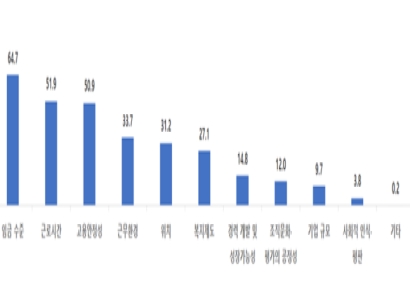 "Please Pay Me at Least 3 Million Won a Month": More Than Half of Young People Today Prioritize "Working Conditions" Over Company Size
- Selling Like Crazy Every Year... 30-Year-Old Hetbahn Takes on a New Challenge: Tastes Better Than "Mom's Home Cooking" [On-Site Report]
- "Americans Would Be Amazed If They Came": Wide-Eyed at a Sight They've Never Seen Before... Foreigners Also Fall for K-Baseball [K-Holic]
- "Hey, Lady, Teach Your Kids to Behave!" ... 300,000 Won in Cash and a Bodily Injury Claim Demanded Over Child's Door Ding
- Beachgoer Finds 'Plastic' That Turns Out to Be Perfume Ingredient Worth More Than Twice as Much as Gold
Additionally, acts such as spreading false information about debts to acquaintances or third parties, or publicizing the existence of a debt in the workplace—so-called "shaming" collection practices—have all been added to the scope of sentencing guidelines and will be subject to strict punishment.
© The Asia Business Daily. All rights reserved. Unauthorized AI training and use prohibited.