Andong Hospital Designated as Disability-Friendly Health Screening Institution
Strengthening Medical Accessibility Through Designation as a Disability-Friendly Health Screening Institution
Andong Medical Foundation Andong Hospital (Chairman Kang Sinhong) has been designated by the Ministry of Health and Welfare as a disability-friendly health screening institution, further strengthening the protection of health rights and improving medical accessibility for people with disabilities.
On June 22, Andong Hospital announced that it was officially designated as a disability-friendly health screening institution by the Ministry of Health and Welfare.

Andong Hospital Designated as a Disability-Friendly Health Screening Institution, Strengthening Integrated Medical System from Prevention to Treatment
Photo by Kwon Byung-geon
A disability-friendly health screening institution is a medical facility equipped with specialized facilities, equipment, and professionals that take into account the physical and communication characteristics of people with disabilities, providing general health screenings and cancer screenings more safely and conveniently.
According to the "2024 Health and Medical Statistics for People with Disabilities" published by the National Rehabilitation Center under the Ministry of Health and Welfare, the general health screening participation rate among people with disabilities is 63.4%, while the cancer screening participation rate is 46.4%. These rates are lower than those of people without disabilities, highlighting the need for continuous improvement in medical accessibility.
In response, Andong Hospital plans to establish dedicated convenience facilities and customized screening environments for people with disabilities and offer health screening services tailored to the characteristics of each disability type, aiming for early detection and prevention of diseases.
In particular, following the recent opening of the regional dental care center for people with disabilities, Andong Hospital’s designation as a disability-friendly health screening institution further establishes an organically connected medical service system encompassing prevention, screening, and treatment for people with disabilities.
Andong Hospital operates a doctor helicopter service, regional emergency medical center, regional trauma center, and regional cardiovascular and cerebrovascular disease center, serving as the key regional hub medical institution in northern Gyeongbuk, fulfilling essential local healthcare and public medical roles.

Entrance Braille Sign for the Disabled at Designated Disability-Friendly Health Checkup Institution Strengthening Integrated Medical System from Prevention to Treatment
Photo by Andong Hospital
Kang Sinhong, Chairman of Andong Hospital, stated, "The health rights of people with disabilities are basic rights that must be guaranteed without discrimination," adding, "We will do our utmost to create a disability-friendly medical environment and strengthen essential local healthcare so that people with disabilities and other medically vulnerable groups can safely use medical services."
Going forward, Andong Hospital plans to expand collaboration with local welfare facilities for people with disabilities and related organizations, and to continue strengthening disability-friendly medical services to foster an inclusive medical environment.
The health rights of people with disabilities go beyond simple welfare and are a social issue directly related to equity in medical accessibility.
The designation of Andong Hospital as a disability-friendly health screening institution, along with the opening of the regional dental care center for people with disabilities, is regarded as a meaningful achievement in filling the gap in the medical system for people with disabilities in northern Gyeongbuk.
Hot Picks Today
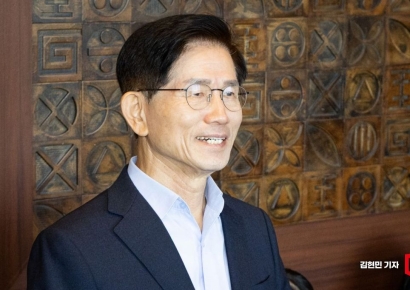 "Doesn't Know How to Sell Shares": Kim Moonsoo, Who Bought SK hynix at 20,000 Won, Draws Attention Over "100-Fold Return" Rumors
- "Until 2 a.m. at Karaoke Bars": Female Firefighter Who Died Before Wedding Endured Forced Drinking Parties
- "Accused of Being a Billionaire?"... YouTuber Who Lost 700 Million Won in Trading Refutes: "Have You Ever Traded Stocks?"
- "Dressed in Sweats, Paying 20,000 Won for the Buffet"...Online Buzz Over Controversy Surrounding Wedding 'Undercover Tours'
- Was It Really Drugs? Shocking Turn as Suwon "Fentanyl Suspect" Tests Negative in Forensic Report: "I Was Just Weak"
If an integrated medical service system connecting prevention-focused health management to specialized treatment becomes established, it is expected to not only improve the quality of life for local people with disabilities but also serve as a significant turning point in addressing the gaps in medical care.
© The Asia Business Daily(www.asiae.co.kr). All rights reserved.