"Forced to Pay 500,000 Won for Team Lunches in a Week"... Company Culture Drives New Employee to Quit, Sparks Outcry
One Person Pays for All Team Lunches Each Week
Team Leader Outraged After Refusal: "I'll Have Lunch Separately from Now On"
A story about a new employee at a small and medium-sized enterprise (SME) who decided to quit after just one week due to the company’s unusual way of settling lunch bills has been attracting attention online.

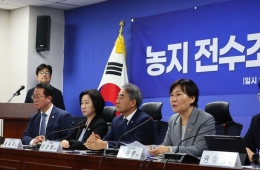
Office workers moving to have lunch in Myeongdong, Jung-gu. Not directly related to the specific content of the article. Photo by Jinhyung Kang
View original imageOn June 19, KNN featured the story of employee A, a new hire at an SME, which was recently posted on an online community.
According to A, “I usually eat a simple lunch or even skip it, but I ate with my colleagues to fit in with the group atmosphere, where six or seven team members would have lunch together.”
A explained, “Over the week, we had a variety of meals such as Chinese food and galbitang, and each time, the team leader paid the bill. I naturally assumed a corporate card was being used.”
However, A only learned about the company’s lunch bill settlement system when the team leader suddenly asked, “Who’s going to pay next week?” It turned out that the team operated under a so-called “solo relay” system, where one person would take turns covering the entire team’s lunch expenses for a whole week.
A confessed, “If you estimate the meal cost at about 10,000 won per person, with six or seven people, one meal comes to 60,000 to 70,000 won. If one person pays for all the meals for a week, it totals around 500,000 won, which felt like a huge burden.”
Feeling uncomfortable with this arrangement, A told the team, “I’ll settle up for this week’s meals. I didn’t know this was how things were done. I’m sorry, but from next week, I’ll eat separately.”
The team leader responded angrily, saying, “If you pay for one week, you get free meals for a month—what’s the problem?” Upset by this exchange, A ultimately decided to submit their resignation just one week after joining the company.
Hot Picks Today
 "I Went for the Cheap Coffee, but Now I Feel Uneasy"... Major Coffee Franchises Cited for Violations One After Another
- In Korea, Studying Medicine Is in High Demand, but in China, It's Shunned: "Why Become a Doctor When You Can’t Make Money?"
- "Surprisingly Real, Perfect Like AI" -- Global Media Praise Korean Fencer's Beauty
- "50 Million Won for Weekly Encounters"... Man in His 60s Sentenced for Deceiving Woman in Her 20s with Forged 1.4 Billion Won Account
- "I've Already Booked My Trip to Japan, But This Is Serious"...Highest Number of Measles Cases in Japan in a Decade Spurs Emergency Alert
After the story spread, netizens criticized the company culture for being virtually coercive. Comments included, “Regardless of the amount, this can be a heavy burden for someone who usually eats simply,” “You shouldn’t force people to participate if they don’t want to,” and “It’s hard to understand a culture where you end up spending hundreds of thousands of won on meals when you’re at work to earn money.”
© The Asia Business Daily. All rights reserved. Unauthorized AI training and use prohibited.