“Only 8% Commission but Collateral on Full Sales?”... Doosan Bobcat Korea’s Unfair Dealings Exposed, Fair Trade Commission Orders Correction
Dealership Employees and Family Members Forced into Joint Surety
"Poison Pill Clauses" Shift Customer Debts onto Dealerships
Doosan Bobcat Korea has been caught by the Fair Trade Commission for abusing its superior bargaining position by imposing unfair transaction conditions on its dealerships.

On the 22nd, the Fair Trade Commission announced its decision to impose corrective orders against Doosan Bobcat Korea for abusing its superior position in business transactions. This sanction targets unfair practices in which the forklift manufacturer and distributor infringed on the rights and interests of dealerships and shifted the risk of uncollected receivables—which should have been borne by the head office—onto the dealerships.
According to the Fair Trade Commission, between 2015 and 2022, Doosan Bobcat Korea, during the process of signing contracts with dealerships, required dealership employees or their family members to act as collateral guarantors and demanded joint surety, even though physical collateral had already been secured. The company cited insufficient collateral value as the reason for this demand.
In particular, the head office calculated the required collateral amount based on the dealerships' total sales figures. However, since the commission received by dealerships from the head office amounted to only about 8.5% of the product price, the Fair Trade Commission judged it excessively unreasonable for the company to demand collateral based on the entire sales amount. This effectively meant that the risk of unrecovered receivables, which should have been the responsibility of the head office, was being entirely transferred to the dealerships.
The unfair transaction practices of Doosan Bobcat Korea were also evident in the so-called "poison pill clauses" within its contracts. The head office forced dealerships to bear the liability for payment fulfillment if customers failed to pay for products. Furthermore, the contracts included provisions allowing the head office to offset any unpaid amounts by deducting them from commissions owed to the dealerships.
Despite the fact that the parties to the product sales contracts were clearly the head office and the end customers, all transactional risks were shifted onto the dealerships. The Fair Trade Commission concluded that such transaction conditions unfairly disadvantaged dealerships, constituting a violation of Article 45, Paragraph 1, Subparagraph 6 of the Fair Trade Act.
During the Fair Trade Commission’s investigation, Doosan Bobcat Korea voluntarily took corrective measures, including discontinuing the demand for joint surety from dealerships and deleting the payment fulfillment and commission offset clauses from its contracts. The Fair Trade Commission has imposed corrective orders (prohibiting such conduct and requiring notification) and plans to strengthen its monitoring to prevent similar unfair practices from recurring in the future.
Hot Picks Today
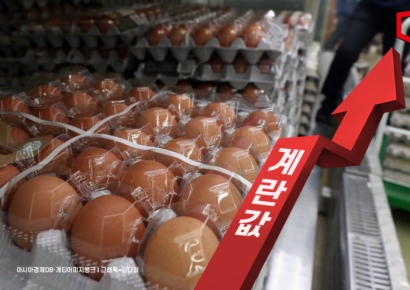 Already Expensive..."I Eat Two Eggs Every Morning—This Is Too Much": Early Heatwave Sparks Egg Price Fears
- "Wow, This Is Addictive": Justin Bieber's Wife Raves About 'Ddungbaratte'... Foreign Tourists Flock to K-Convenience Stores [K-Holic]
- "Exorbitant Food Prices" Beer Costs 30,000 Won per Glass... Locals Outraged Over Record Price Gouging at the World Cup [Current Affairs Show]
- Foods That Make Your Face Less Attractive, According to a Plastic Surgeon... What Ranked Above Ham and Ramen?
- "Getting Your Hair Pulled and Kicked Is Routine... '9 Inmates Packed into 5 Pyeong' Cheongju Women's Prison, the Reality of Sweltering Heat [Reportage]"
The Fair Trade Commission stated, "This is a case where the head office for forklift sales abused its superior bargaining position to force dealerships to bear even the debts of customers," adding, "We will strictly enforce the law against any supplier that disadvantages its dealerships."
© The Asia Business Daily(www.asiae.co.kr). All rights reserved.