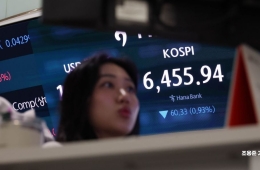
NPS Achieves Record Returns Amid KOSPI Rally... Fund Depletion Delayed by 4 Years
NABO Releases Revised Fiscal Outlook for the National Pension Fund
Fund Depletion Projected to Be Delayed
Investment Performance Expected to Become Key Issue

As the profitability of the National Pension Service (NPS) improved last year, expectations for the fund's fiscal stability have also grown. According to the National Assembly Budget Office's projection, which reflected the NPS's 2025 performance, the shift to a fiscal deficit for the NPS is now forecast for 2050—delayed by two years—while the depletion of the fund is projected for 2069, four years later than previously expected. The Budget Office analyzed that, as the fund's management performance has a significant impact on the financial stability of the NPS, efforts to enhance returns are essential.

According to the report titled "Revised Fiscal Outlook for the National Pension Service Due to Improved Fund Performance," released by the Budget Office on the 20th, the NPS's reserves reached 1,478 trillion won last year (2025), marking an average annual increase of 11.3% from 2021 to 2025. In particular, the total asset return rate of the NPS last year was 18.8%.
Previously, in June of last year, the Budget Office had forecasted the fiscal structure of the NPS. After including the actual fund performance in the fiscal outlook, it was found that the transition to a fiscal deficit would be delayed by two years and the depletion of the fund by four years.
The Budget Office emphasized that, given the fiscal situation of the NPS, fund management returns will become a key variable. From 2021 to 2025, the pension premiums paid by the public grew by an average of 4.5% per year, whereas benefit payments to recipients surged by 14.3% annually. Therefore, the financial stability of the NPS in securing retirement for the public will vary significantly depending on fund management performance.
In this context, the Budget Office analyzed the impact that improved NPS profitability would have on fiscal stability. The office projected an average fund return rate of 4.6%, but noted that if this improves by even 1 percentage point, the expected fund depletion point would be deferred from 2069 to 2082. Furthermore, if returns improve by 2 percentage points, the analysis suggests the NPS fund could be sustained throughout the entire projection period.
Hot Picks Today
 Retail Investors Regain Hope: "Leverage Unwinding Nears End, KOSPI 12,500 Target Intact," Says J.P. Morgan
- "$300 Gone in One Date"...U.S. Gen Z Ditches Restaurants for Parks
- ETF Mania Cools Amid KOSPI Rollercoaster... Is it Time to Consider a '10% Safe Savings Account'? [Practical Finance]
- "It Took Three Hours Just to Exit the Parking Lot"... Vehicles Stuck at Asan Medical Center
- 'Human Refrigerator' Developed in Japan to Protect Outdoor Workers from Extreme Heat
The Budget Office stated, "If additional assets are accumulated during the current fiscal surplus period through strong investment performance, the effect of compound interest in asset management could strengthen the long-term positive impact on the fund's finances. Enhancing fund management performance can increase trust in the NPS's ability to make payments and broaden the range of policy options for strengthening coverage or improving the system in the future."
© The Asia Business Daily. All rights reserved. Unauthorized AI training and use prohibited.