Foreign Big Spenders Flock to Korean Dermatology Clinics and Pharmacies, Spending 251.2 Billion Won Last Month [Weekend Money]
Record-High Foreign Medical Tourism Spending in May
Dermatology and Pharmacy Sales Surge
"Focus on Companies with Strong Export Performance"

On the 13th, mostly foreign customers were shopping for cosmetics at a cosmetics shopping mall in Myeongdong, Seoul. Photo by Younghan Heo younghan@
View original imageThe center of gravity in 'K-beauty' is shifting. In the past, when foreign tourists visited Korea, it was common to see them shopping for cosmetics in Myeongdong and stopping by Olive Young and duty-free shops. Now, dermatology clinics and aesthetic medical services are being added to this experience. More tourists are receiving procedures in Korea, purchasing regenerative creams and derma cosmetics at pharmacies, and seeking out Korean aesthetic medical brands after returning to their home countries.
According to DB Financial Investment on June 21, the K-beauty craze, which began with cosmetics, is now spreading to the aesthetic medical industry. This is not just a simple recovery in tourism; both domestic demand and exports for Korean aesthetic medical companies are growing at the same time.
The most notable trend is the increase in foreign medical tourism spending. In May, foreign medical tourism spending reached 251.2 billion won, rising by 0.5% compared to the previous month and by 44.0% compared to the same period last year. The number of medical tourism cases also hit an all-time high, with 597,000 cases, a 63.0% increase from the previous year.
The largest share was in dermatology. In May, dermatology-related spending amounted to 145.2 billion won, a 46.4% increase from the same period last year. Dermatology accounted for 57.8% of the total medical tourism spending.
An interesting change has also emerged in pharmacies. In May, pharmacy spending surged to 32.5 billion won, up 172.1% from the previous year. Its share of total medical tourism spending also reached an all-time high of 12.9%. This suggests that foreign tourists are increasingly purchasing cosmetics and related products at pharmacies in addition to receiving dermatological procedures.
This signifies that the K-beauty consumption flow is changing. Whereas cosmetics stores and duty-free shops were once at the center, the consumption structure is now expanding to include dermatology clinics, aesthetic clinics, pharmacies, and derma cosmetics. For tourists, traveling to Korea is evolving from mere shopping to an experience that includes "care" and "procedures."
This trend is also evident at global events. On June 19-20, the AMWC aesthetic medical conference will be held in Korea for the first time. AMWC is a global academic event for aesthetic medicine, originating from Cannes, France, and currently held in nine countries. This is not simply the addition of another domestic event; it is significant because it provides a venue for Korean aesthetic medical companies to connect with global doctors, experts, and distribution partners.
It is not only domestic demand that is rising. Export indicators are also strong. In May, combined exports of medical and aesthetic products reached USD 480 million (738 billion won), a 31.1% increase from the same period last year.
By category, toxin exports amounted to USD 50.2 million, up 14.1% year-on-year. Filler exports reached USD 336.4 million, an increase of 40.2%. The category of injectable aesthetic products continues to show strong annual growth. With additional shipments continuing through June, the seasonal high expected in the second quarter is likely to materialize.
Exports of energy-based aesthetic devices (EBD) are also on the rise. In May, EBD exports totaled USD 95.4 million, a 14.0% increase from the same period last year. Exports to the United States reached USD 20.6 million, up 43.5% from the previous month and 13.9% from the previous year. Exports to Brazil surged to USD 6.3 million, a 66.1% increase from the previous month and a 140.8% jump year-on-year.
Hot Picks Today
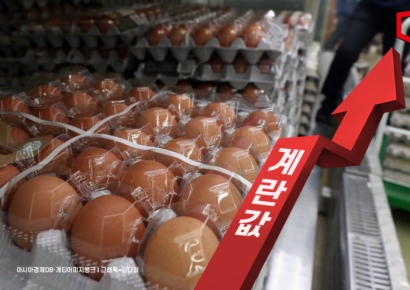 Already Expensive..."I Eat Two Eggs Every Morning—This Is Too Much": Early Heatwave Sparks Egg Price Fears
- "Wow, This Is Addictive": Justin Bieber's Wife Raves About 'Ddungbaratte'... Foreign Tourists Flock to K-Convenience Stores [K-Holic]
- "Exorbitant Food Prices" Beer Costs 30,000 Won per Glass... Locals Outraged Over Record Price Gouging at the World Cup [Current Affairs Show]
- Foods That Make Your Face Less Attractive, According to a Plastic Surgeon... What Ranked Above Ham and Ramen?
- "Getting Your Hair Pulled and Kicked Is Routine... '9 Inmates Packed into 5 Pyeong' Cheongju Women's Prison, the Reality of Sweltering Heat [Reportage]"
Researcher Kim emphasized, "As Korea is becoming a major hub for global aesthetic medicine, special attention should be paid to companies with strong export capabilities."
© The Asia Business Daily(www.asiae.co.kr). All rights reserved.