Koo Yooncheol: "Even After Ceasefire, Energy Normalization Will Take Time... All-Out Efforts for Price Stability"
Task Force of Related Ministers Convenes for Special Management of Consumer Prices on June 18
Deputy Prime Minister and Minister of Economy and Finance Koo Yoon-cheol announced that, despite the conclusion of peace negotiations between the United States and Iran, the government will mobilize all available measures to stabilize consumer prices. These measures include extending the diesel price-linked subsidy and expanding energy and food tariff quotas.

On the morning of June 18, at the Government Complex Seoul, Deputy Prime Minister Koo convened a special task force meeting of relevant ministers for consumer price stabilization. He stated, "Although the conclusion of peace negotiations in the Middle East has eased geopolitical risks, such as the decline in international oil prices, it will take time for the normalization of international energy production and transportation infrastructure, as well as logistics supply chains." He added, "There are still lingering effects from rising raw material prices, and uncertainties remain, so we will remain vigilant."
Deputy Prime Minister Koo said, "In particular, to ease the fuel cost burden on the transportation industry, the diesel price-linked subsidy for cargo and passenger transport, which was scheduled to end in late June, will be extended through the end of September. The scope of support will also be expanded to include chartered buses."
During the meeting, the government announced several measures to stabilize consumer prices in the second half of the year, such as plans for the operation of tariff quotas and strengthening real-time consumer price monitoring based on artificial intelligence (AI).
Starting in the second half of the year, the government will reduce the tariff quota rates for liquefied natural gas (LNG), liquefied petroleum gas (LPG), and crude oil for LPG manufacturing to 0%. In addition, the individual consumption tax on LNG for power generation will be reduced by 15%.
The extension of tariff quotas will also apply to three types of imported fruits, including bananas, and to ten types of food ingredients, such as processed egg products. Newly applied tariff quotas will be implemented for nine types of food and feed ingredients, bringing the total number of supported items to 49, up from the previous 27.
Hot Picks Today
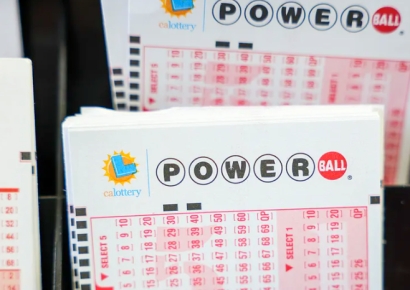 He Left It in the Car and Forgot... "I Nearly Collapsed with Joy": Man Wins $1.48 Million Lottery
- Goldman Sachs Cuts KOSPI Target by 25%... "Excessive Pessimism, Still Attractive"
- "'Nodding Off' on the Subway? Here's Why Koreans Are Getting Even Less Sleep"
- "Please Pay Me at Least 3 Million Won a Month": More Than Half of Young People Today Prioritize "Working Conditions" Over Company Size
- Beachgoer Finds 'Plastic' That Turns Out to Be Perfume Ingredient Worth More Than Twice as Much as Gold
Furthermore, in response to rapidly changing domestic and international conditions—such as geopolitical risks and abnormal climate events—the government will enhance its real-time consumer price monitoring system using AI to ensure more proactive and sophisticated price management.
© The Asia Business Daily. All rights reserved. Unauthorized AI training and use prohibited.