Trump's Pressure and Inflation: Warsh Faces First Test as Fed Chair
Global attention is focused on the first Federal Open Market Committee (FOMC) meeting presided over by the newly appointed U.S. Federal Reserve (Fed) Chair, Kevin Warsh. Amid a surge in international oil prices caused by the Iran War, inflationary pressure is casting a shadow over economies worldwide, making Chair Warsh’s decisions a matter of critical interest. In particular, U.S. President Donald Trump, who nominated Warsh as Fed Chair, has recently argued that the rise in prices is a temporary phenomenon and is pressuring for a rate cut.Some point out that the credibility of the bond market may hinge on Chair Warsh’s judgment.

On this day, Bloomberg News reported that Chair Warsh, in his first FOMC meeting as head of the U.S. central bank, would be facing committee members who are concerned about entrenched inflation. Since the outbreak of the Iran war, energy prices have soared, amplifying concerns over inflation in the United States. Some Fed officials have even outlined scenarios in which a rate hike may be necessary, and it has been reported that they want to remove language from the post-meeting statement that suggests the next move will likely be a rate cut.
Bloomberg noted that there is a real possibility the FOMC statement language could be revised, requiring Chair Warsh to strike a delicate balance from the very start of his tenure. While Warsh appeared to align himself with President Trump, who had been calling for rate cuts prior to his nomination, the current inflationary situation and the views of fellow committee members make it difficult to accommodate the president’s demands.
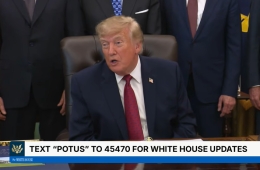
Markets are also watching closely to see how Warsh will define his relationship with President Trump, who has repeatedly called for rate cuts and exerted significant political pressure on the Fed. Critics have argued that Warsh may not be sufficiently independent from the White House.
Robert Tetlow, a former senior policy advisor at the Fed, said he is paying attention to how much Warsh maintains his previously hawkish stance on inflation, as seen during his time as a fellow at the conservative think tank Hoover Institution and as a Fed governor. He commented, "Chair Warsh may provide some clues about his policy direction," and added, "While the White House’s Warsh is someone seeking reasons to cut rates regardless of economic conditions, the Hoover Institution’s Warsh was a hawkish figure, firmly opposed to rising inflation."
Investors are expected to listen carefully to how strongly Chair Warsh reaffirms the central bank’s mandate to return inflation to the Fed’s 2% target. Michael Feroli, Chief U.S. Economist at JPMorgan Chase, stated, "If Chair Warsh fails to maintain the bond market’s confidence, a higher risk premium could be reflected in interest rates," adding, "This would have a negative impact on the overall economy."
Hot Picks Today
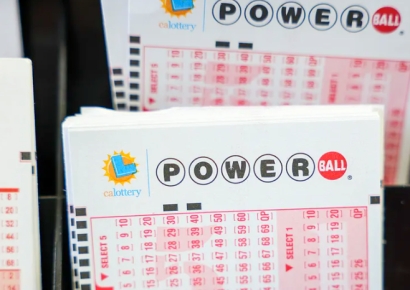 He Left It in the Car and Forgot... "I Nearly Collapsed with Joy": Man Wins $1.48 Million Lottery
- Goldman Sachs Cuts KOSPI Target by 25%... "Excessive Pessimism, Still Attractive"
- "'Nodding Off' on the Subway? Here's Why Koreans Are Getting Even Less Sleep"
- "Please Pay Me at Least 3 Million Won a Month": More Than Half of Young People Today Prioritize "Working Conditions" Over Company Size
- Beachgoer Finds 'Plastic' That Turns Out to Be Perfume Ingredient Worth More Than Twice as Much as Gold
After this FOMC meeting, the Fed is set to release its new quarterly economic projections as well as the dot plot, which outlines the future path of interest rates. According to a survey of economists conducted by Bloomberg, the Fed is expected to significantly raise its inflation outlook and push back the anticipated timing of rate cuts to 2027. Previously, the Fed had projected one rate cut each in 2026 and 2027.
© The Asia Business Daily. All rights reserved. Unauthorized AI training and use prohibited.