Governor Shin Hyun-song: "Upward Inflationary Pressures Remain Despite Ceasefire Agreement... High Price Growth to Continue"
Briefing on the Price Stability Target Operation for the First Half of the Year
Shin Hyun-song, Governor of the Bank of Korea, predicted that domestic consumer prices will continue to rise at a high level for a considerable period, despite the ceasefire agreement between the United States and Iran.

At a briefing held on June 17 at the Bank of Korea in Jung-gu, Seoul, to review the price stability target operation for the first half of the year, Governor Shin stated, "Although risks in the Middle East are showing some signs of easing, there are still upward threats to the future inflation trajectory."
He explained, "Even if the war ends, it may take a long time for the energy supply chain to stabilize back to its previous level," adding, "The accumulated impact of oil prices could spread, not only to energy, but also to other items with a time lag." He further pointed out, "In addition to factors related to oil price costs, demand-side pressure from improvements in the domestic economy is also expected to gradually increase, and rising wages may further heighten upward pressure on prices."
Governor Shin emphasized, "I am seriously concerned that rising prices could increase the economic burden on the public," and cautioned, "A persistently high price level may stimulate consumers' inflation expectations and raise the likelihood of price hikes by companies, which could lead to a vicious cycle of further inflation."
He added, "We will closely monitor price trends going forward and continue to observe the situation until price stability is achieved."
According to the Bank of Korea, the consumer price inflation rate, which had shown a stable trend at the beginning of this year at the target level of 2.0%, rose into the 3% range (3.1% as of May) following a sharp increase in international oil prices after the Middle East war at the end of February. Specifically, oil prices have surged by over 20% compared to last year, and core inflation has also risen to the mid-2% range.
Hot Picks Today
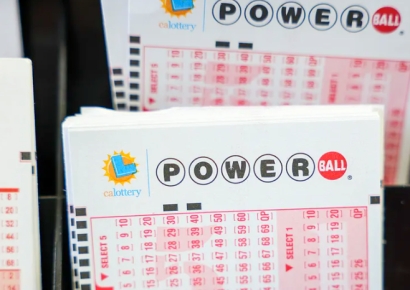 He Left It in the Car and Forgot... "I Nearly Collapsed with Joy": Man Wins $1.48 Million Lottery
- Goldman Sachs Cuts KOSPI Target by 25%... "Excessive Pessimism, Still Attractive"
- "'Nodding Off' on the Subway? Here's Why Koreans Are Getting Even Less Sleep"
- "Please Pay Me at Least 3 Million Won a Month": More Than Half of Young People Today Prioritize "Working Conditions" Over Company Size
- Beachgoer Finds 'Plastic' That Turns Out to Be Perfume Ingredient Worth More Than Twice as Much as Gold
The Bank of Korea forecasts that in the second half of this year, consumer prices will rise by around 3%, and core inflation will increase by the mid-to-high 2% range. Although cost-push pressures from oil prices are expected to ease next year, demand-side pressures are projected to gradually expand, with both consumer price and core inflation rates remaining above the target level. Governor Shin diagnosed, "The actual consumer prices felt by the public have risen further, increasing the cost of living burden for low-income households."
© The Asia Business Daily. All rights reserved. Unauthorized AI training and use prohibited.