Disease Insurance Evolving Amid Super-Aged Society
Responding to the Needs of the Elderly and Chronic Disease Patients
Lowering Entry Barriers and Offering Personalized Plans
Specialized Coverage Competition Extends to Hypertension and Dementia
The evolution of morbidity insurance is being driven by the entry into a super-aged society and the increase in chronic disease patients. In the past, the focus was on lowering the entry barrier for individuals with pre-existing medical histories, but recently, the trend has shifted toward segmenting premiums and coverage based on health status and medical history. Insurance companies are targeting the morbidity insurance market with customized underwriting systems and specialized coverage for conditions such as hypertension, dementia, and long-term care.

The entry into a super-aged society and the increase in chronic disease patients are driving the evolution of morbidity insurance. ChatGPT generated image
View original imageAccording to the insurance industry on June 17, Kyobo Life recently launched the "Kyobo K-Custom Health Insurance," which allows premiums to be tailored according to an individual's health status. This product features a hybrid underwriting structure that combines general and simplified underwriting. Previously, morbidity insurance required both main contracts and all riders to be enrolled under simplified underwriting criteria, which resulted in uniformly higher premiums, even for coverage unrelated to the pre-existing condition. Kyobo Life explained that this approach enables customers to reduce unnecessary premium burdens and select only the coverage they need.
AXA General Insurance is also targeting the morbidity insurance market, focusing on patients with chronic diseases. The "AXA Simple Comprehensive Insurance" offers broad coverage for the diagnosis, hospitalization, and surgical procedures associated with major cardiovascular and cerebrovascular diseases that may result from hypertension. Although hypertension is a common chronic disease among adults in Korea, delayed management can lead to serious illnesses such as cerebral hemorrhage, stroke, and acute myocardial infarction, increasing the demand for coverage at various stages of treatment. This product uses a simple disclosure method that requires answering only three questions, allowing individuals with pre-existing conditions and the elderly to enroll without complicated procedures.
Morbidity insurance is also becoming more sophisticated in the areas of dementia and long-term care. Last month, Hana Insurance launched the "Hana The Next Simple Dementia and Long-Term Care Insurance," lowering the entry barrier for individuals with pre-existing conditions and those with a history of illness. Whereas previous products examined hospitalization or surgery history within the last five years, this product reduces the look-back period to two years and simplifies the health disclosure items to focus on a few major conditions. While the enrollment criteria have been relaxed, the coverage remains the same as existing dementia and long-term care insurance, providing coverage for the entire process from mild cognitive impairment to dementia diagnosis, treatment, and long-term care.
The diversification of morbidity insurance products is rooted in institutional improvements aimed at increasing insurance accessibility for elderly individuals with pre-existing conditions. In the past, the market was centered around regular insurance for healthy enrollees, making it difficult for elderly people with a history of hospitalization, surgery, or disease diagnosis within a certain period to obtain insurance. However, since the introduction of morbidity insurance in 2012, application forms have become more detailed based on underwriting conditions, and differentiated premium rates for those with pre-existing conditions have become possible, thereby improving insurance accessibility for elderly patients.
Hot Picks Today
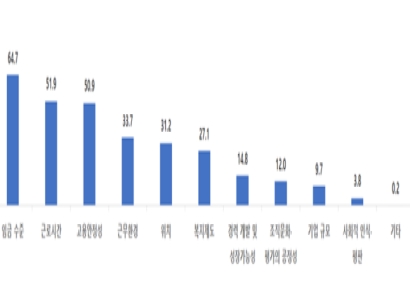 "Please Pay Me at Least 3 Million Won a Month": More Than Half of Young People Today Prioritize "Working Conditions" Over Company Size
- Selling Like Crazy Every Year... 30-Year-Old Hetbahn Takes on a New Challenge: Tastes Better Than "Mom's Home Cooking" [On-Site Report]
- "Americans Would Be Amazed If They Came": Wide-Eyed at a Sight They've Never Seen Before... Foreigners Also Fall for K-Baseball [K-Holic]
- "Hey, Lady, Teach Your Kids to Behave!" ... 300,000 Won in Cash and a Bodily Injury Claim Demanded Over Child's Door Ding
- Beachgoer Finds 'Plastic' That Turns Out to Be Perfume Ingredient Worth More Than Twice as Much as Gold
Going forward, insurance companies are expected to not only relax enrollment criteria but also develop products that address coverage gaps by reflecting disease-specific risk levels. An industry official commented, "As the aging population accelerates, reducing the number of customers excluded from insurance due to their health status is a critical challenge for the industry. Products are evolving to provide tailored coverage based on individual health status while simultaneously improving insurance accessibility for the elderly and patients with chronic diseases."
© The Asia Business Daily. All rights reserved. Unauthorized AI training and use prohibited.