"Too Cruel"... What Is the 'Natasha' Black Doll Now Banned from Schools?
The "Natasha" Trend: Hitting and Stepping on Black Baby Dolls
Racism Controversy Spreads on Chinese Social Media
Escalating Issues Over Violent Play and Provocative Marketing
Widening Criticism for Dehumanization and Mockery of Black People
Some Schools Ban the Doll from Campus
In China, a controversy over racism is growing as videos showing the abusive destruction of dark-skinned baby dolls are spreading on social media. The product in question is a soft stress relief doll commonly known as "Natasha."
On June 16, according to Yonhap News TV citing local outlets such as DW News and HKF, a recent trend in China involves filming and uploading scenes to social media in which people hit, step on, pull, inject water into, or stab dark-skinned dolls with needles. This trend is rapidly spreading online.

Initially, controversy within China mostly centered on concerns about "violent toys" and "harmful content for minors." However, as the trend continued, the dark skin color of the doll became the focus, raising issues of racism. The main criticism is that the violence is specifically directed at a "dark-skinned baby doll." Overseas Black communities and human rights activists have condemned the content, arguing that it targets and commodifies the skin color and appearance of Black people for mockery and violence. They criticized this not as simple play, but as an act that dehumanizes the image of Black children.
Hot Picks Today
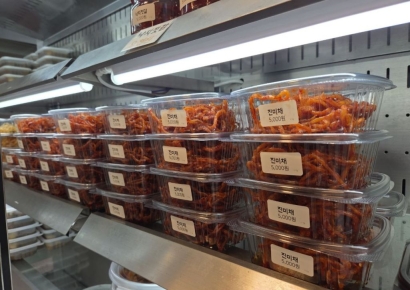 "Auntie, When Will Dried Shredded Squid Return as a Side Dish?"...Once Vanished from Restaurants, Now Making a Comeback
- Monthly Salary Soars 3.7 Times from 8.25 Million Won to 30.59 Million Won... 86 Fair Trade Commission Retirees Join Law Firms Over 10 Years
- "Fermented Skate and Grilled Cutlassfish Aren't the Only Answer... Mokpo's 'Earlier Scenes' Revealed on a Personal Journey" [Digging Travel]
- "You've Earned Your Wealth—Now It's Time to Use It Well"...Seniors Turning to Financial Centers Before Illness Hits [Finance Embracing Seniors] ①
- "V and Go Yoonjung Wear Them Too"... The Transformation of the ‘Grandma Ring’ Captivates Foreigners [K-Holic]
As the controversy intensified, some schools and authorities in China began to respond. According to the Chinese media outlet Xin Jing Bao, market regulatory authorities in several regions have included the "Natasha" doll in their inspections of children's products. Some schools have banned students from bringing the dolls to school, and violent sales videos have been deleted from various e-commerce platforms.

Some observers have argued that platform recommendation algorithms and provocative marketing by sellers have further fueled the controversy. In a system where violent scenes lead to more views and sales, increasingly provocative content has been repeatedly produced, escalating the issue. Nevertheless, it is reported that some sellers continue to promote the product using images or phrases that imply violence.
Domestic civic groups have also condemned the trend. The organization Africa Insight issued a statement on June 12, strongly denouncing the distribution of dehumanizing and racist content using dark-skinned baby dolls. The group criticized the act of commodifying the appearance and identity of specific races as targets of violence, stressing that such behavior can never be justified for any reason.
© The Asia Business Daily. All rights reserved. Unauthorized AI training and use prohibited.