"Data Centers in 40 Out of 69 Battleground Districts"... AI Shakes Up U.S. Midterm Elections
58% of Battleground House Districts Have Data Centers Planned
Rising Electricity Costs and Water Shortages Fuel Local Opposition
Political Parties Remain Silent Without a Unified Stance
Artificial intelligence (AI) data centers have emerged as a key factor influencing voter sentiment in the upcoming U.S. midterm elections.

Last January, a data center owned by Amazon Web Services (right front) was under construction next to the Susquehanna Nuclear Power Plant in Berwick, Pennsylvania. Photo by AP Yonhap News
View original imageAccording to Yonhap News on June 13 (local time), citing U.S. political news outlet Politico, "data centers are either under construction or planned in 40 out of 69 battleground districts for the House of Representatives, accounting for 58%." This analysis is based on data from the analytics firm Data Center Map.
According to this data, there are currently 1,500 data center projects underway across the United States, distributed almost evenly between Democratic and Republican districts. However, as these facilities become concentrated in key swing districts that could determine the majority in the House, their political impact is intensifying. In particular, the Republican Party—which is generally seen as more favorable toward data centers—currently holds many of these competitive districts, making data centers a potentially significant variable in this election.
Driven by the surging demand for AI, new data centers have been springing up one after another, but they are facing strong resistance from local residents due to reasons such as rising electricity rates, depletion of water resources, and the repurposing of farmland. In some areas, this opposition has turned into action: residents have launched referendum campaigns to block data center construction, state legislatures have introduced related bills, and in some cases, plans for new facilities have been scrapped due to community opposition. Democratic Representative Marcy Kaptur noted, "In our district, there are more banners opposing AI than banners supporting election candidates."
This trend is also reflected in election advertising. According to political ad analytics firm AdImpact, all House and gubernatorial campaign ads mentioning data centers either criticize these facilities or attack the Republican Party for supporting them.
Politico pointed out, "Despite this, neither party has presented a comprehensive position at the party level." A Democratic strategist told the outlet, "There is no nationwide unified message on the issue," but added, "In certain districts, data centers will be a very important factor."

The reason candidates are hesitant to take a clear stance on data centers is the competing influence of tech industry lobbying groups and environmental organizations. Sending a positive signal about data centers makes them a target for environmental groups, while taking a critical stance risks losing the support of the tech industry, which wields significant political funding power.
Brendan Steinhauser, a Republican political consultant from Texas, explained, "They are caught in a dilemma. It’s not wise to appear too close to big tech or look like they’re following their lead, but a huge amount of funding flows to them through that very channel."
Hot Picks Today
![[Exclusive] "Nurturing It to the Level of Semiconductors"... The Next Industry Chosen by the Lee Jae-myung Administration](https://cwcontent.asiae.co.kr/asiaresize/93/2026062318521220842_1782208333.jpg) [Exclusive] "Nurturing It to the Level of Semiconductors"... The Next Industry Chosen by the Lee Jae-myung Administration
[Exclusive] "Nurturing It to the Level of Semiconductors"... The Next Industry Chosen by the Lee Jae-myung Administration
- The Year's Top Gainer: Up 773%, But "More Upside Ahead" [This Week's Hot Stock]
- [Good Morning Market] U.S. Weakens Ahead of Micron Earnings... Korea Expected to Recover Losses
- "Too Hot to Travel": Tourists Flee as 40-Degree Heatwave Paralyzes Europe
- "Just Say 'Aah' and 'Ooh'... Job Posting Offering 70,000 Won a Day Attracts a Flood of Applicants"
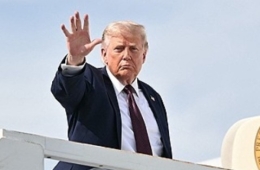
Meanwhile, perhaps responding to residents’ opposition to data centers, President Donald Trump summoned the heads of major tech companies to the White House in March. The signing ceremony was attended by seven companies: Amazon, Google, Meta, Microsoft, Oracle, OpenAI, and Elon Musk’s xAI. They collectively pledged to directly secure the power generation resources needed for data centers and to cover the costs for their facilities even if they do not use all the electricity supplied.
© The Asia Business Daily(www.asiae.co.kr). All rights reserved.