One in Four Seoul Citizens Says "No Alcohol in the Past Year"... Vegetarian Population Also Growing
Decline in Alcohol Consumption Frequency; 17.3% Practice Vegetarianism
No Improvement in Dietary Environment; Economic Disparities Evident
The dietary habits of Seoul citizens are shifting toward a greater focus on health. The proportion of respondents who reported not drinking any alcohol at all in the past year has increased, and the number of citizens practicing vegetarianism is also on the rise.
According to a report by Yonhap News Agency on June 14, citing the results of the '2025 Seoul Citizens Food Survey' released by the Seoul Metropolitan Government, these trends have become apparent.
The survey found that 23.7% of respondents said they had not consumed any alcohol at all in the past year, an increase of 2.1 percentage points from 21.6% last year. Overall, the frequency of alcohol consumption has declined. Those who reported drinking alcohol two to four times or more per month accounted for 23%, a sharp drop from 31.5% last year.
Meanwhile, 12.5% said they drank alcohol two to three times per week, while 1% reported drinking four or more times per week. In contrast, the proportion of respondents who drank once a month was 22.6%, and those drinking less than once a month rose to 17.3%, indicating a trend toward lighter drinking habits.

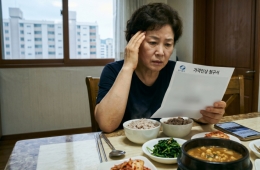
A survey revealed that 23.7% of Seoul citizens did not consume any alcohol last year. Photo by Pixabay
View original imageThe vegetarian population, which was only 5.8% in 2022, continued to grow, reaching 16% in 2023 and 15.8% in 2024. In this year's survey, 17.3% of respondents said they practice vegetarianism.
The main reasons cited for adopting a vegetarian diet were weight control (65%) and health management (61.6%). Both factors rose significantly from last year, suggesting that vegetarianism is spreading more for health reasons than for ethical values or environmental protection.
However, only 65.9% of respondents said they were able to consume a sufficient quantity and variety of foods, lower than last year's 67.4%, indicating that the overall dietary environment has not improved.
The most common reason given was "lack of time to purchase or prepare food" at 59.3%, followed by "lack of desired food options nearby" at 29.5%. Notably, among households with a monthly income of less than 2 million won, 43% cited "lack of money" as the primary reason, indicating that economic disparity is affecting dietary habits.
Hot Picks Today
 "Doesn't Know How to Sell Shares": Kim Moonsoo, Who Bought SK hynix at 20,000 Won, Draws Attention Over "100-Fold Return" Rumors
- "Called a High-Net-Worth Individual?"... YouTuber Who Lost 700 Million Won in Short-Term Trading Refutes, "Have You Ever Traded Stocks?"
- "Amputation with Scissors, Hard to Believe...But a Complicated Situation" — Practicing Doctor Weighs In on Incheon Nursing Hospital Controversy
- Was It Really Drugs? Shocking Turn as Suwon "Fentanyl Suspect" Tests Negative in Forensic Report: "I Was Just Weak"
Meanwhile, 33.2% of respondents said they eat spicy and salty soup-based foods such as ramen, stew, or tteokbokki with broth at least once a day, an increase from the previous year. Additionally, 37.3% said they eat high-sugar snacks such as instant coffee, sweetened beverages, or candy every day.
© The Asia Business Daily(www.asiae.co.kr). All rights reserved.