Obesity Rate Among Men in Their 40s and 50s Exceeds 50%... Adult Obesity on the Rise
Obesity Rate: 41.4% for Men, 23.0% for Women
Clear Regional Disparities... "Tailored Approaches Needed"
It has been revealed that more than one in three adults in South Korea is obese.

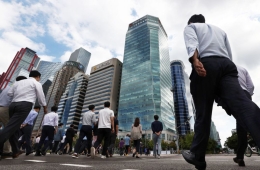
On June 14, the Korea Disease Control and Prevention Agency (KDCA) announced that their analysis of data from the Community Health Survey, which included around 230,000 adults aged 19 and older each year from 2015 to 2024, showed that the adult obesity rate in 2024 reached 34.4%. The adult obesity rate has steadily increased over time: 26.3% in 2015, 31.8% in 2018, and 32.2% in 2021. Obesity was defined as having a body mass index (BMI) of 25 kg/m² or higher, calculated using height and weight.
By region, the adult obesity rate increased in all 17 major cities and provinces nationwide. In particular, Jeonnam and Jeju recorded the highest rates in 2024 at 36.8% each. Notably, Jeonnam showed the largest increase, rising from 25.4% in 2015 to 36.8% in 2024, an increase of 11.4 percentage points over ten years. In contrast, Sejong's adult obesity rate rose more gradually, increasing from 26.2% to 29.1% over the same period, the lowest level in the country.
When divided by gender, the obesity rate among men reached 41.4%, while for women it was 23.0%, meaning the rate among men was a staggering 1.8 times higher than among women. By age group, the obesity rate for men was 53.1% in their 30s, 50.3% in their 40s, 41.6% in their 50s, 39.9% in their 20s, 34.0% in their 60s, and 26.0% for those aged 70 and older. For women, the rates were 16.8% in their 20s, 21.1% in their 30s, 21.4% in their 40s, 23.2% in their 50s, 26.6% in their 60s, and 27.9% for those aged 70 and older, showing a gradual increase in obesity rates with age.
By education, income, and occupation, men in office jobs had an obesity rate of 47.0%, those with a college degree or higher 44.9%, and those with a monthly household income of 5 million won or more 44.5%, indicating higher obesity rates among higher-income, highly educated, and office worker groups. In contrast, women working in agriculture, forestry, and fisheries had an obesity rate of 30.2%, those with a middle school education or below 30.7%, and those with a monthly household income under 2 million won 27.8%, showing that lower-income and manual labor groups had higher obesity rates among women.
Additionally, among men, those living alone had an obesity rate of 39.9%, while those living with at least one other person had a rate of 41.7%, indicating that men were more likely to be obese when living with others. For women, however, those living alone had an obesity rate of 23.6%, while those living with others had a rate of 22.9%, meaning that women living alone were more likely to be obese.
Hot Picks Today
 "Doesn't Know How to Sell Shares": Kim Moonsoo, Who Bought SK hynix at 20,000 Won, Draws Attention Over "100-Fold Return" Rumors
- "Called a High-Net-Worth Individual?"... YouTuber Who Lost 700 Million Won in Short-Term Trading Refutes, "Have You Ever Traded Stocks?"
- "Amputation with Scissors, Hard to Believe...But a Complicated Situation" — Practicing Doctor Weighs In on Incheon Nursing Hospital Controversy
- Was It Really Drugs? Shocking Turn as Suwon "Fentanyl Suspect" Tests Negative in Forensic Report: "I Was Just Weak"
The KDCA has identified obesity as a nationwide public health issue and emphasized, "Going forward, policy must adopt tailored approaches that reflect the characteristics of different population groups and genders, and management strategies subdivided by region are required."
© The Asia Business Daily(www.asiae.co.kr). All rights reserved.