Iran and Israel Continue Ceasefire Talks While Refraining from Further Escalation
Iran and Israel Exchange Warnings
Hezbollah Remains a Flashpoint
Iran and Israel have both stated their intention to refrain from further escalation following recent clashes. However, tensions remain high, as both sides have warned that they will respond forcefully to any additional attacks from the other.
According to Bloomberg News on June 8 (local time), Iran announced that it has ended its military operations against Israel. Iranian President Masoud Pezeshkian stated via social media that “Iran has not abandoned either the battlefield or the negotiating table.”
Previously, Israeli Prime Minister Benjamin Netanyahu also announced in a televised address that he would suspend attacks on Iran for the time being. However, he maintained that military operations against Hezbollah, the Lebanon-based militant group supported by Iran, would continue.

This move to de-escalate tensions between the two sides came after a phone call between U.S. President Donald Trump and Prime Minister Netanyahu. The White House confirmed the call but did not disclose specific details. Prime Minister Netanyahu stated that he emphasized Israel’s right to self-defense during the conversation.
Despite the apparent ceasefire, both sides continued to issue warnings. Iran’s central military command declared in a statement that if Israel launched additional attacks, “the response will be much harsher and more destructive than before.” They specifically warned that attacks on southern Lebanon would also be subject to retaliation.
In response, Prime Minister Netanyahu said, “We cannot accept the logic that Iran would intervene if we attack Hezbollah,” maintaining a hardline stance.
This latest conflict began when Israel carried out airstrikes on Beirut, Lebanon, prompting Iran to directly intervene militarily in support of Hezbollah. Over the past weekend, Iran and Israel exchanged missile strikes, and Israel targeted sites including a petrochemical facility in Tehran and the southern city of Mahshahr.
Iran has warned that it will target oil and gas facilities linked to Israel, the United States, and their regional allies if attacks on its own energy infrastructure continue.
The international community has expressed concern that this conflict could destabilize the ceasefire regime that has been in place since April 8, 2026. The war, which began with U.S. and Israeli airstrikes against Iran, has resulted in thousands of deaths, the blockade of the Strait of Hormuz, and a surge in international oil prices, sending shockwaves through the global economy.
Hot Picks Today
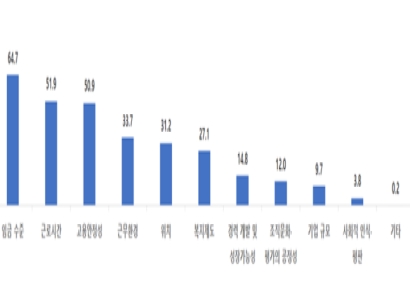 "Please Pay Me at Least 3 Million Won a Month": More Than Half of Young People Today Prioritize "Working Conditions" Over Company Size
- Selling Like Crazy Every Year... 30-Year-Old Hetbahn Takes on a New Challenge: Tastes Better Than "Mom's Home Cooking" [On-Site Report]
- Sleep Is Koreans' 'No. 1' Health Interest, but They Averaged Under 7 Hours a Night This Year
- "Hey, Lady, Teach Your Kids to Behave!" ... 300,000 Won in Cash and a Bodily Injury Claim Demanded Over Child's Door Ding
- "Don't Trust This Woman": Documentary on 'Investment Scammer' Earns KRW 22 Billion in One Week
President Trump continues to assert that peace talks between the United States and Iran are in their final stages. On this day, he posted on social media, “Final negotiations are underway, and an agreement is possible as long as ignorance or foolishness does not intervene.”
© The Asia Business Daily. All rights reserved. Unauthorized AI training and use prohibited.





![[Market ING] KOSPI Seeks Rebound in Superweek Packed with Corporate Earnings and FOMC](https://cwcontent.asiae.co.kr/asiaresize/307/2026102514484873155_1792907327.jpg)