"Don't Believe in Ebola Spread... Working to Survive" - Life in a Congolese Gold Mining Town
Crowded Mining Along Muddy Streams
Growing Distrust Over Ebola Hampers Containment Efforts
The Democratic Republic of the Congo (DR Congo) is experiencing a surge in deaths due to Ebola, yet the mining economy in gold towns such as Mongwalu has not come to a halt.

Healthcare workers are measuring the body temperature of local travelers and residents to check for Ebola infection. The photo is not directly related to the content of the article. Photo by AFP Yonhap News
View original imageOn June 5 (local time), The New York Times published a feature story about Mongwalu, a remote mountain village in the Ituri province in northeastern DR Congo. According to the report, despite the daily transport of bodies from the area, local residents continue to make a living by extracting gold from the muddy grounds. On the outskirts of the village, dozens of residents are seen dredging sediment from rivers and using mercury to extract gold particles. The villagers insist that they have no choice but to work to support their livelihoods.
Although this region has been identified as one of the epicenters of the Ebola outbreak, miners report that the overall atmosphere in the village remains largely unchanged. Some preventive measures, such as wearing masks and reducing the number of people sharing tents for meals and lodging, are being implemented. However, UN peacekeeping armored vehicles still patrol the streets, and entertainment establishments right next to hotels housing World Health Organization (WHO) officials continue to operate.
Mongwalu is a major gold-mining city in the Congo, attracting miners and merchants from across the country and neighboring nations. International media explain that frequent population movement and densely packed labor conditions have contributed to the spread of Ebola in this outbreak.
Experts estimate that this outbreak began around February. The DR Congo authorities officially confirmed the outbreak only on May 15.
According to WHO data, as of June 3, there were 381 officially confirmed Ebola cases, with 64 deaths among them. However, some residents believe that Ebola does not exist, or that local medical workers and international aid organizations fabricated the story to make money. Cases of people dying after visiting hospitals for treatment have heightened local distrust, which in turn has hindered containment efforts from keeping pace with the rate of spread.
On this day, the U.S. Centers for Disease Control and Prevention (CDC) estimated in a report that the number of Ebola patients could exceed 20,000 within the next three months. The CDC warned that this outbreak could reach a scale comparable to the worst Ebola epidemic that swept West Africa from 2014 to 2016.
Meanwhile, DR Congo, representing Africa in the North and Central America World Cup for the first time in 52 years, has been hampered by the Ebola virus. The U.S. government recently emphasized to FIFA that "for the DR Congo national football team to be permitted entry into the United States, strict adherence to a 21-day self-quarantine period prior to entry is mandatory." The U.S. further warned that if these quarantine protocols are not followed, entry for the entire team could be completely barred.
Hot Picks Today
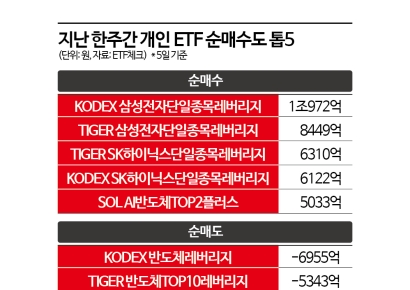 "Let's Double with Samsung and SK hynix": Retail Investors Dump Semiconductor ETFs for Samsung and SK hynix Leverage Products
- Proportional Representation Seats Reversed by Jamsil Ballot Count... People Power Party Increases from 7 to 8 (Comprehensive)
- Nvidia Loses $2 Trillion in Market Cap in a Day... Semiconductor Stocks Plunge on New York Stock Exchange
- "Will the AI War Be Upended?"... The Next Generation Cash Cow Chosen by Musk Revealed
- Paid 180,000 Won for Wedding Gift but Got Cold Burgers Instead of a Buffet: "Is This a Business, Not a Wedding?"
However, if these measures are strictly applied, the DR Congo team will not be able to participate in the World Cup finals, as they are scheduled to play their first group stage match against Portugal on June 18, less than two weeks away. As a result, it is reported that the U.S. government and FIFA are deliberating on which exception clauses could allow the DR Congo team to enter the United States.
© The Asia Business Daily(www.asiae.co.kr). All rights reserved.
!["Don't Get Excited, Crushes Are Exhausting Too: Even Unrequited Love Faces a Recession [World is Z Gold]"](https://cwcontent.asiae.co.kr/asiaresize/307/2026060508335888548_1780616038.png)



![[Exclusive] CCRS Debt Adjustment to Be Required Before Rehabilitation or Bankruptcy... Legislation Pursued for 'Debt Adjustment Prerequisite Principle'](https://cwcontent.asiae.co.kr/asiaresize/307/2022102710072884384_1666832847.jpg)