There's a Reason Paper Books Are Easier to Read: "They Give Your Brain Room to Think"
Japanese Research Team Conducts Experiment on Reading Comics in Paper and E-Book Formats
Paper Books Found to Be More Efficient for Contextual Understanding and Information Integration
"Digital Textbook Educational Effects Should Be Carefully Reviewed"
A study has found that reading comics in paper book format allows for faster and more natural comprehension compared to reading them as e-books.

Elementary school student learning math with a digital textbook (This photo is not directly related to the article). Photo by Yonhap News
View original imageAccording to Kyodo News on June 4, a research team led by Professor Kuniyoshi Sakai at the University of Tokyo measured brain activity using MRI in 25 university and graduate students as they read comics in both paper book and tablet e-book formats. The participants were then given questions to assess their understanding of the sequence and context of the story.
When reading paper books, there was little difference in the time taken to solve simple questions versus contextual comprehension questions. In contrast, after reading e-books, it took about one second longer to answer questions that required contextual understanding. MRI analysis also showed that activity in the left-brain language processing area was relatively reduced when reading paper books.
Professor Sakai explained that the brain was able to conserve energy usually used for language processing and instead use it for reasoning and context comprehension. He noted that similar results are likely to apply to novels and textbooks as well, and stated that the Japanese government’s policy to expand digital textbooks should be carefully reviewed for its educational impact. The results of this study were published in a U.S. scientific journal.
Hot Picks Today
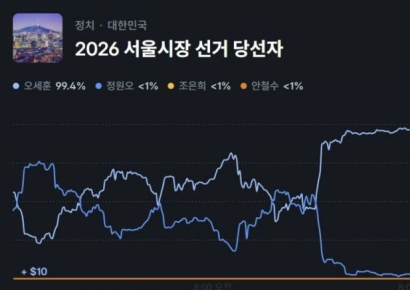 Foreign Investors Lament Huge Losses in an Instant as Oh Sehoon Overtakes Jeong Wonoh in Seoul Mayoral Election Bets
- Despite Deputy Prime Minister's Verbal Intervention, Won-Dollar Exchange Rate Closes at 1,529.7 Won (Update)
- "Ballot Boxes Must Leave to Confirm Oh Sehoon," Authorities Say, but "Re-vote Needed"—Jamsil 7-dong Blocks Vote Counting
- "Suspicious Call Tipped Me Off"... Taxi Driver's Quick Thinking Prevents 140 Million Won Phishing Scam
- "I Feel Safer on the Streets Where I Can See Everyone"... Homeless at Seoul Station Exposed to Sexual Offenses and Violence
The Japanese education authorities plan to formally introduce digital textbooks as official teaching materials starting in 2030. While they expect enhanced learning effects by utilizing audio and video functions, concerns have been raised in educational settings about potential declines in eyesight and the inability to use digital textbooks in the event of disasters or power outages.
© The Asia Business Daily(www.asiae.co.kr). All rights reserved.