MFDS to Contract Manufacture 'Dacarbazine Injection' for Medical Supply This Month
Ensuring Continued Treatment for Malignant Melanoma and Hodgkin Lymphoma Patients
The government will support the manufacturing of dacarbazine injections, which are essential for treating malignant melanoma and Hodgkin's lymphoma but had faced the risk of supply interruption, to establish a stable supply chain.

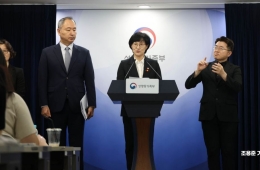
The Ministry of Food and Drug Safety announced on June 4 that it will activate the national essential drug custom manufacturing system in response to requests from patients and the medical community, and plans to swiftly supply dacarbazine injections within this month.
Dacarbazine injection is a critical anticancer drug required for standard treatment of malignant melanoma and Hodgkin's lymphoma. Since alternative treatment options in Korea are very limited, patients and healthcare professionals have consistently called for proactive government support to ensure continued treatment.
However, the pharmaceutical industry has stated that it is difficult to maintain a stable supply system for this drug due to its small market size and limited profitability. In response, the Ministry of Food and Drug Safety decided to apply the "national essential drug custom manufacturing method," which compensates pharmaceutical companies for production costs, and has the Korea Orphan & Essential Drug Center purchase all manufactured supplies for distribution.
The national essential drug custom manufacturing project is a government-supported initiative leveraging private pharmaceutical companies' capabilities to ensure stable domestic production and supply of drugs at risk (or in danger) of supply suspension. With this measure, it is expected that custom-manufactured supplies will be rapidly distributed to the field during June, significantly alleviating patients' concerns about treatment interruption and the medical community's anxiety over supply instability.

The Ministry of Food and Drug Safety has operated this project through the Korea Orphan & Essential Drug Center, and as of June this year, a total of six pharmaceutical companies are participating, supporting the production of eight national essential drugs. Notably, following the revision of the Pharmaceutical Affairs Act on May 26 (set to take effect on November 12, 2026), the legal basis for the custom manufacturing system, which had previously been administered only at the administrative level, has now been clearly established.
The Ministry plans to further activate this system by establishing a public production and distribution network involving the government, pharmaceutical associations, and pharmaceutical companies.
Hot Picks Today
 "Additional 25% Mobile Bill Discount From Today" Causes Stir Online... The Truth Revealed
- "The Clothes My Dad Used to Wear"... Ralph Lauren, Beanpole, and Hazzys See Sales Surge as MZ Generation Embraces the Trend
- "So Many Inconsiderate People": Kicking and Struggling After Clothes Are Grabbed... Subway Line 2 Altercation Sparks Uproar
- "Please Take Off Your Shoes"—From Crawling onto the Bed to Changing Habits, Young Americans Lead the Shift
- "Famous Actress on KBS Is Perpetrator's Sister"... KBS Responds to 'Busan Fall Death' Family's Plea
The Ministry of Food and Drug Safety expressed its gratitude to pharmaceutical companies cooperating with the policy to ensure a stable supply of essential anticancer drugs, stating, "Starting with dacarbazine injection this year, we will continue to expand the range of drugs covered by the national essential drug custom manufacturing system, strengthen collaboration with the medical community, pharmaceutical industry, and related organizations, and proactively address issues concerning the stable supply of essential medicines."
© The Asia Business Daily. All rights reserved. Unauthorized AI training and use prohibited.