1.5 Million Deaths Worldwide: Experts Warn of "Burden Comparable to HIV and Malaria"
Estimated 1.5 Million Deaths from Food Poisoning in 2021
Experts Point Out "Food Poisoning Risk is Underestimated"
"Hygiene Management is the Most Effective Preventive Measure"
Food poisoning has been identified as a major public health issue that causes numerous deaths and severe illnesses worldwide each year. Experts emphasize that following basic hygiene practices during food preparation and storage is the most effective way to prevent it.
On June 4 (local time), CNN reported, citing recent research published in the international journal The Lancet, that "food poisoning is not just a discomfort experienced after eating spoiled food, but a leading cause of serious illness and death."

According to the study, it is estimated that around 1.5 million people died from food poisoning worldwide in 2021. The researchers stated, "In order to reduce the enormous burden of disease caused by contaminated food, each country needs to implement strategies to improve food safety."
Harris Wang, Professor and Chair of the Department of Systems Biology at Columbia University Irving Medical Center, who did not participate in the study, commented that while this number may seem shocking, it is not an unexpected result.
Julie Jean, Professor of Food Science at Laval University in Canada, also pointed out that many people underestimate the fatality and disease burden of food poisoning. Professor Jean explained, "Taking into account the scale of deaths, incidence, and disability-adjusted life years (DALYs) caused by food poisoning, its impact is comparable to major infectious diseases such as HIV or malaria."
Professor Jean further added, "Although many cases are mild or go unreported, so the actual risk is not fully recognized, this study demonstrates that food poisoning is not an individual issue but a structural problem that society as a whole must address."
Food poisoning occurs when consuming food contaminated by various hazards such as parasites, chemicals, bacteria, or viruses. Major causes include Salmonella, Escherichia coli (E. coli), norovirus, and Listeria. These pathogens can cause gastroenteritis and diarrhea, and in severe cases may lead to sepsis or bacteremia.
There are various causes of food poisoning. Bacteria can multiply if food is not cooked thoroughly or not stored at the proper temperature, and viruses can spread due to poor hygiene management during food handling.
The levels of food poisoning prevention and treatment differ from country to country. In particular, low- and middle-income countries face a relatively higher risk of severe infection and death. Experts analyzed that the scale of outbreaks is influenced by factors such as the level of food safety systems and regulations, and access to healthcare.
The risk also varies for individuals. Infants and young children whose immune systems are not fully developed, the elderly with weakened immunity, and immunocompromised individuals are known to be particularly vulnerable to food poisoning. Pregnancy also affects the immune system and is considered a factor that increases the risk of severe food poisoning. The use of certain medications or antibiotics that disrupt the intestinal microbiome can also increase susceptibility to food poisoning pathogens.
Seek medical care if diarrhea lasts more than three days
Common symptoms of food poisoning include nausea, vomiting, diarrhea, abdominal pain, and fever. Generally, symptoms improve within two to seven days, but if diarrhea lasts longer than three days, or if high fever or bloody stools appear, one should seek medical attention.
It is important to stay well hydrated when suffering from food poisoning. Professor Wang warned, "Severe dehydration can lead to systemic shock and multiple organ failure."

Caution needed during preparation and storage... Refrigerating food is recommended
Experts emphasized that caution during food handling and preparation is the most effective preventive measure. It is advisable to avoid consuming undercooked meat and eggs, raw flour, and unpasteurized dairy products, and to thoroughly wash vegetables. The U.S. Food and Drug Administration (FDA) also recommends that high-risk groups be cautious when consuming raw fish such as sashimi, processed meats (unless reheated), and packaged salads.
Additionally, food should not be left at room temperature for extended periods. If food is not to be eaten immediately after being cut or cooked, it is best to refrigerate it within two hours.
Hot Picks Today
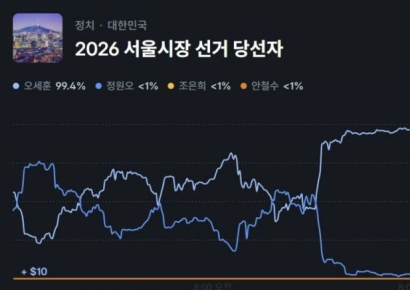 Foreign Investors Lament Huge Losses in an Instant as Oh Sehoon Overtakes Jeong Wonoh in Seoul Mayoral Election Bets
- "I Can No Longer Work With Such an Incompetent Group"... Songpa District Official Slams Election Commission
- "Ballot Boxes Must Leave to Confirm Oh Sehoon," Authorities Say, but "Re-vote Needed"—Jamsil 7-dong Blocks Vote Counting
- Following NVIDIA and TSMC, Even Foxconn Joins: Chairman Chey Tae-won Expands 'AI Alliance' in Taiwan
- "Older Candidate Wins Election as Age Decides Tie with 2,077 Votes Each"
Professor Wang also advised that maintaining healthy lifestyle habits helps prevent food poisoning. He emphasized, "Basic habits such as proper nutrition, regular exercise, and sufficient sleep are all good habits."
© The Asia Business Daily(www.asiae.co.kr). All rights reserved.