Fed Beige Book: Energy-Driven Inflation Expands, Employment Remains Flat
Fed Officially Cites Oil Price Surge from War
Income Polarization Deepens
As the U.S. economy continues its solid growth, inflationary pressures have intensified again amid a sharp rise in international oil prices triggered by the aftermath of the Iran war.
According to the Federal Reserve's Beige Book released on June 3 (local time), "Prices increased at a moderate to strong pace overall, with most districts reporting higher inflation than in the previous report."
The Federal Reserve specifically explained, "Energy costs related to the conflict in the Middle East were the primary driver of inflationary pressures, and their impact has spread to transportation, packaging, groceries, and fertilizers."

This report draws attention as it officially confirms the Federal Reserve’s assessment of the impact of the recent increase in international oil prices on the broader U.S. economy. It highlights that rising energy prices are extending beyond just gasoline to logistics, food, and agricultural costs, fueling concerns about the future inflation trajectory. Before the release of the report, members of the Federal Reserve Board had already expressed public concerns about inflation.
Despite rising prices, economic activity remained solid. Out of the 12 Federal Reserve Bank districts, 10 reported economic activity growing at a slight to moderate pace. In contrast, one district saw a slight decrease, and one reported no change.
However, the quality of growth was somewhat mixed. Consumption showed intensifying polarization across income brackets. High-income households maintained relatively resilient spending despite price increases, while the middle class exhibited a stronger tendency to save as much as possible before making spending decisions, and low-income households experienced increasing financial strain.
The labor market showed signs of stagnation. Employment was little changed or unchanged in 11 regions, with only one region recording a modest increase. The Federal Reserve reported that most districts described a "low-hire, low-fire" environment, with few hires and few layoffs.
Wage growth generally remained moderate. However, some companies implemented wage increases or cost-of-living adjustments in response to rising fuel and living expenses.
The manufacturing sector continued to show relatively strong momentum. In 9 out of 12 districts, manufacturing activity increased, with data center construction and defense demand cited as the main growth drivers.
In the New York region, office leasing demand from AI-related companies surged, while in Boston and Cleveland, expanded investment in data centers boosted manufacturing orders and construction demand.
On the other hand, corporate outlooks have become more cautious compared to before. The Federal Reserve noted, "Increased uncertainty and signs of slowing consumer spending are weighing on sentiment," and assessed that the expected pace of growth over the next six months remained largely unchanged.
Hot Picks Today
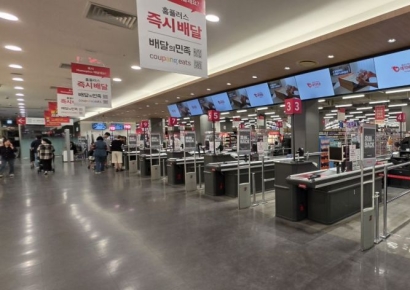 "Korean Beef for Dinner Tonight" - Drawn in by Half-Price Deals, but... "What Else Is There to Buy?" at 'Empty' Homeplus
- [Exclusive] "My paycheck fell short, and I couldn't get a card loan either" More people in their 40s and 50s turn to 'cash advances'; "debt-investing woes" put long-term delinquency among those in their 20s and 30s on red alert
- “I Thought It Was Just Inflammation”: 70 Men Have Died of Breast Cancer in This Country in 5 Years
- How Far Should "Investigative Powers" Be Allowed for Prosecutors on the Future Committee Fact-Finding Team?
- "Come Live With Me on My Farm": Man Sells Everything and Travels 1,930 km, Trusting a Beautiful Woman
Meanwhile, the market expects the Federal Open Market Committee (FOMC) meeting scheduled for June 16-17 to keep the benchmark interest rate unchanged, as inflationary pressures are again showing signs of strengthening.
© The Asia Business Daily. All rights reserved. Unauthorized AI training and use prohibited.