Why Bananas Are Becoming Scarce in Japan Due to the Iran War
The war in Iran has triggered a banana supply crisis in Japan.

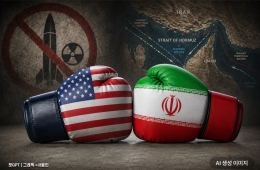
According to Bloomberg on June 2 (local time), the blockade of the Strait of Hormuz has disrupted one-fifth of the world’s crude oil supply, causing Japan’s naphtha inventory to decrease by 25% so far this year. Naphtha is used as a raw material to produce ethylene gas, which in turn is used to ripen bananas. In Japan, bananas are imported while still unripe and are ripened with ethylene before being placed on store shelves. The shortage of naphtha has therefore raised alarms over banana imports.
Bananas are still available in local stores, and some importers have secured enough ethylene for two to three months. However, rising costs in petrochemical-related areas such as fuel, packaging, and transportation are increasing pressure on retailers to reflect these higher costs in consumer prices.
According to Japanese government data, the retail price of bananas in Tokyo rose by 4.4% last year and has increased by more than 30% since 2022. Last year, Japanese households spent an average of about 5,200 yen, or 33 dollars, on bananas. Bananas are one of Japan's staple food items, and the country imported approximately 1 million tons of bananas last year. Eiji Akashi, Secretary General of the Japan Banana Importers Association, described this as the worst supply shortage in 50 years and said, “Despite rising prices, we are doing our utmost to avoid a shortage.”
The effects of the naphtha shortage are also impacting other industries. Snack company Calbee is switching to black-and-white packaging for some products like potato chips, as the supply of ink made with resin derived from naphtha has decreased.
Hot Picks Today
 "With Samsung and Hynix Rising Too Much, Feeling Uneasy... Who Will Be the Biggest Beneficiary of Capital Flows in the Second Half?"
- "Common in Korea, but One Drop at the End... The Global Craze for the 'Taste of Korea'"
- Blooming for Just One Night After Years of Waiting... 'Queen of the Night' Cactus Video Released
- 17-Year-Old Seriously Injured While Trying to Save "Gwangju High School Girl" Nominated for Righteous Person Status
- “Tank, Your Drink Is Ready”: Starbucks Becomes a Playground for Hate... May 18 Groups Demand Action
Bloomberg analyzed that the blockade of the Strait of Hormuz is spreading across Japan’s entire petrochemical supply chain, leading to shortages of everyday food items. Japan imports more than 90% of its crude oil. The country lacks a domestic oil production base and does not have international oil pipelines to compensate for disruptions in maritime shipping.
© The Asia Business Daily(www.asiae.co.kr). All rights reserved.