Japan Puts Foreign Real Estate Regulations on Hold: "Only 3%, Ambiguous Evidence"
Concerns Over "Chinese Capital Acquisitions" Raised by Some Conservatives
Japan Finds No Clear Link Between Price Increases and Foreign Purchases
Regulations on Security-Sensitive Land Transactions Tightened Regardless of Nationality
The Japanese government, which had been investigating suspicions that foreign purchases of real estate were driving up apartment prices, has concluded that the substance of these claims is ambiguous and has decided to temporarily put foreign buyer regulations on hold.

A photo depicting citizens passing by a construction site in downtown Tokyo to help readers understand the article. Photo by Reuters and Yonhap News Agency
View original imageOn June 1, Yonhap News Agency, citing Japan’s Yomiuri Shimbun, reported that “the Japanese government is planning to submit a bill to revise the Important Land, etc. Survey and Regulation Act to the extraordinary session of the Diet this fall, with the intention of temporarily suspending regulations on apartment acquisitions by foreigners.”
The Ministry of Land, Infrastructure, Transport and Tourism of Japan analyzed transaction data for land and newly built apartments above a certain scale at the end of last year and the beginning of this year, investigating the proportion of buyers presumed to be foreign nationals and their specific purposes for acquisition. However, the proportion of overseas residents among new apartment buyers in Tokyo was only around 3%, and no direct link was found between the surge in real estate prices and purchases by foreigners. As a result, it was deemed difficult to justify targeted regulations that single out foreign buyers.
The issue of effectiveness also poses a challenge. Even if regulations are applied only to foreign transactions, there are loopholes, such as Japanese nationals acting as agents for foreigners, which would make it difficult to achieve meaningful results. This concern is also believed to have played a role in the decision.
In Japan, concerns have been mounting, particularly among conservatives, over the large-scale acquisition of national security-sensitive land—such as areas near Self-Defense Forces bases, forests, and water sources—by Chinese capital. This has led to comprehensive surveys to better understand the extent of large-scale land purchases by foreigners. The Japanese government has decided to respond separately to these security concerns. It plans to strengthen regulations by converting the pre-reporting obligation for land purchases near important facilities, such as Self-Defense Forces bases, into a permit system. In effect, the government is tightening controls over all national security-related land purchases, regardless of nationality.
In Japan, large-scale land purchasers must report their intended use and transaction amount to local authorities within two weeks of the deal. Since April, individuals are also required to state their nationality when acquiring property.

A view of apartments from Lotte World Tower in Songpa-gu, Seoul. Photo by Yonhap News
View original imageKorea faces similar concerns. In August last year, the Ministry of Land, Infrastructure and Transport designated all of Seoul, 23 cities and counties in Gyeonggi Province, and seven districts in Incheon as areas requiring foreign land transaction permits to prevent speculative purchases by foreigners, including Chinese nationals. Foreigners acquiring residential property in these permit zones must move in within four months of approval and reside there for at least two years.
According to the ministry, the number of housing transactions by foreigners in the Seoul metropolitan area fell by 40% year-on-year during the three months following the designation. However, critics point out that loopholes still exist, such as foreigners using overseas loans to circumvent domestic lending and tax regulations, or exploiting Korean nationals’ names to bypass restrictions.
Hot Picks Today
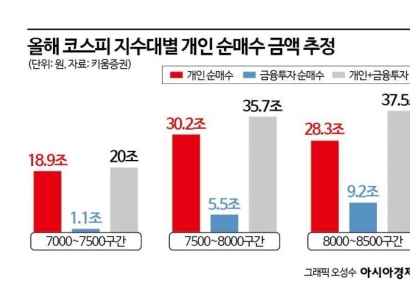 KOSPI Struggles to Break 7,000 Points as Over 100 Trillion Won in Individual Investor Supply Overhang Looms
- Huawei and Xiaomi Also Raise Prices... Chinese Smartphones See Consecutive Hikes Amid Soaring Memory Costs
- Packed Crowds with “It’s So Cheap!”... Japan Travel by UK Millennials & Gen Z Surges 25% in a Year
- Taiwanese Man Threw 100 Cockroaches in Restaurant... Was It Due to Service Complaints?
- "Too Tired of Seongsu and Euljiro"... Where Are Young Adults in Their 20s and 30s Going on the Hunt for Hotspots These Days?
Meanwhile, on May 21, President Lee Jaemyung commented on X (formerly Twitter) regarding a media report that “Chinese buyers are snapping up apartments in Gangnam, Seoul,” saying, “It appears to be a deliberately fabricated fake news story intended to be used as anti-China propaganda. In fact, only five Chinese nationals purchased apartment units in Gangnam District from January to April, making the report clearly false.”
© The Asia Business Daily. All rights reserved. Unauthorized AI training and use prohibited.