Hanwha Aerospace, Site of 7 Casualties, Core Facility in Aviation, Defense, and Space Industries
Large-Scale Propulsion Systems and Tactical Surface-to-Surface Weapon Development
Ongoing Structural Vulnerabilities from Handling Explosives and Pyrotechnic Products

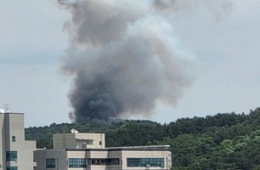
The Daejeon plant of Hanwha Aerospace, where an explosion on June 1 resulted in 7 casualties, is considered a core facility for the production of equipment and facilities related to the aviation, defense, and space industries.
At the Daejeon plant, large-scale propulsion system development, propellant mixing and filling, and the development of tactical surface-to-surface weapon systems are carried out.
Hanwha Aerospace traces its origins to Hanwha Techwin (formerly Samsung Techwin), which Hanwha acquired from Samsung in 2015 as part of a major deal.
After joining the Hanwha Group, the company underwent several business spin-offs. In April 2018, the company retained only the aircraft engine business, and its name was changed to Hanwha Aerospace.
Subsequently, Hanwha Aerospace also acquired from Hanwha's machinery division the business units responsible for producing aircraft drive, hydraulic, and fuel systems, as well as components such as landing gear for the Korean next-generation fighter (KFX) project.

By expanding from its original space business into all areas of aerospace and land, sea, and air defense industries, the company has established itself as a leading entity within the group.
However, because the plant handles explosives and pyrotechnic products, it is considered to have a structural vulnerability where accidents like this can result in significant casualties.
During the development of propulsion systems for weapons such as multiple launch rocket systems, the facility handles mixtures that can explode or catch fire due to shock, friction, or heat. For this reason, regulations specify that higher-level risk assessments and safety measures must be implemented for equipment and work processes.
Nevertheless, given the extremely high level of security required for the products manufactured by private defense companies, there have been criticisms that past safety inspections may have been insufficient, particularly following previous explosion accidents that resulted in casualties.
Hot Picks Today
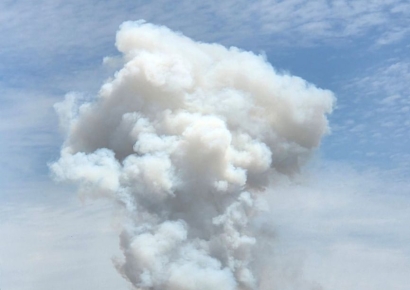 After Promise of Automation Following 8 Deaths, Hanwha Daejeon Plant Faces Another Serial Explosion Tragedy
- "183 Pyeong with Swimming Pool, Cabanas, and Two Gardens: Three-Story 'Super Penthouse' Tempts Wealthy Investors [Real Estate AtoZ]"
- Samsung Electronics Maintains Top DRAM Position... First-Quarter Sales Surge 93.4%, Widens Gap with SK hynix
- Chairman Lee Jae-yong Attends Ho-Am Prize Ceremony for 5th Consecutive Year...Reinforces 'Talent Management' Leadership (Comprehensive)
- [Exclusive] Chey Tae-won: "There's Nothing NVIDIA Doesn't Do"... Beaming at Jensen Huang's 'AI CPU Roadmap'
Indeed, after an explosion in 2018 that caused 9 casualties, a special labor inspection by labor authorities uncovered 486 violations of the law, rating the plant's safety level as the lowest grade.
© The Asia Business Daily(www.asiae.co.kr). All rights reserved.