Lights Off, AIS Off... 70 Ships Transited Hormuz in 3 Weeks with U.S. Military Guidance
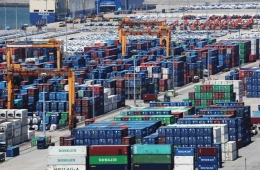
As the blockade of the Strait of Hormuz continues, The New York Times (NYT) reported on May 31 (local time) that approximately 70 vessels have passed through the strait over the past three weeks with the support of the U.S. military.
Citing an anonymous U.S. official, the NYT reported that the U.S. Central Command has guided some commercial ships traveling to and from the Persian Gulf to traverse the strait using so-called "dark sailing" methods—turning off their Automatic Identification System (AIS) transmitters and lights—to avoid detection by Iran.

These officials did not disclose the types of vessels that traversed the Strait of Hormuz or the routes they used. Shipping analysts stated that the ships guided by the U.S. likely used routes close to the coast of Oman.
Noam Raydan, Senior Fellow at the Washington Institute for Near East Policy, assessed that the scale of support for 70 passages is greater than expected. He also noted that since these passages took place with the AIS turned off, it will take time to determine the exact number of ships that received assistance from the U.S. military.
Tim Hawkins, spokesperson for the U.S. Central Command, stated, "Although the U.S. military is not directly escorting the ships, we are continuously communicating and cooperating with commercial vessels seeking to transit the Strait of Hormuz freely and safely, as it is a vital international route for regional and global economies."
However, it is still difficult to say that passage through the Strait of Hormuz has returned to normal. Before the outbreak of war between the United States, Israel, and Iran, more than 100 commercial vessels passed through the strait daily. In contrast, only about three ships per day on average have transited the strait over the past three weeks with U.S. military support. Nevertheless, the NYT noted that the continued passage through the strait with U.S. support indicates that some shipowners are willing to take risks to operate in the region.
Hot Picks Today
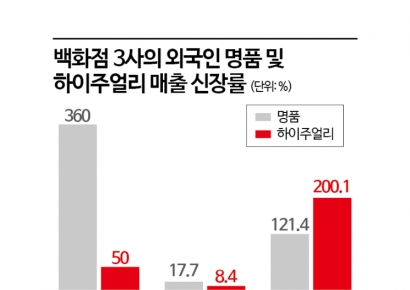 "Cartier Watches Cheaper Than in Japan": Foreign Big Spenders Flock to Korean Department Stores
- "After Being Promoted to Director-General, My Salary Dropped by Over 10 Million Won"...Japanese Workers Shun Promotion
- [Breaking] KOSPI Hits Another All-Time High, Surpasses 8,590 Early in the Session
- "No One Else Succeeded, but Korea Did... World’s First Hatching of 500,000 'Legendary Deep-Sea Fish'"
- Swimming Pool, Cabanas, and Two Gardens in One Home... The Three-Story 'Super Penthouse' Entices the Wealthy [Real Estate AtoZ]
As negotiations to end the conflict between the United States and Iran enter their final stages, the two sides remain at odds over issues such as the passage through the Strait of Hormuz. Iran is seeking to impose a transit fee of up to $2 million per vessel through the Persian Gulf Shipping Authority (PGSA). On May 27, the U.S. Department of the Treasury's Office of Foreign Assets Control (OFAC) added the PGSA to its sanctions list.
© The Asia Business Daily(www.asiae.co.kr). All rights reserved.