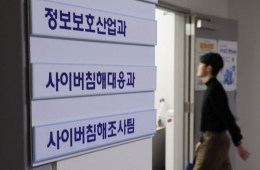
Outplacement Support Service Coverage Expanded to Include Workplaces with 500 or More Employees
The government will expand the mandatory provision of outplacement support services, which currently apply only to workplaces with 1,000 or more employees, to those with 500 or more employees starting in the second half of 2027, and further to workplaces with 300 or more employees starting in the second half of 2029. The system will also be revised so that if an employee participates in a reemployment program of their choice, the employer’s facilitation—such as adjusting working hours or providing financial support—will be recognized as fulfilling the obligation.
The Ministry of Employment and Labor announced on May 28 that it will publicly announce a draft amendment to the Enforcement Decree of the “Act on Prohibition of Age Discrimination in Employment and Promotion of Employment for Older Persons” from May 29 to July 8, which includes these measures. This amendment is a follow-up to the “Plan to Improve the Outplacement Support Service System” announced on May 14. The focus is on establishing an effective support system for job transfers and changes, led by workers themselves.

According to the amendment, the obligation to provide outplacement support services, which previously applied only to workplaces with 1,000 or more employees, will be expanded to workplaces with 500 or more employees starting in the second half of 2027, and to those with 300 or more employees starting in the second half of 2029.
Outplacement support services are programs designed to help involuntary leavers aged 50 or older with career planning, job training, entrepreneurship education, and job placement. The government expects that expanding the range of mandatory workplaces will increase participation opportunities for workers at medium-sized and small enterprises.
The ways in which employers can fulfill their obligations will also be diversified. Currently, employers must directly provide outplacement support services, but going forward, if employees participate in reemployment support programs of their choice, such as vocational training, the employer’s provision of conveniences—such as adjusting working hours, reducing hours, granting leave, or providing financial support—will be recognized as fulfilling the obligation.
Hot Picks Today
 "300,000 Won Grant" Shelved at Chuseok to Go to All Residents After All... This City Says It Will Pay Before Lunar New Year
- "Didn't Save This Money to Leave to Our Kids?"... Retired Couples Spend $10,000 on a Single Trip
- "Make $10 Million by Flipping It Right After Delivery?"... The Market Drawing the World's Ultra-Rich in ‘This Market’
- Friend Who Went Abroad Goes "Silent"... 617 South Koreans Out of Contact, What's Going On?
- "Stockpile 9 Liters of Bottled Water and Three Days' Worth of Food"... UK on Edge as Nationwide Emergency Preparedness Alert Issued
The Ministry of Employment and Labor expects that, with this revision, workers will be able to better prepare for reemployment according to their personal circumstances, and employers will be less burdened as they will not need to operate programs directly. Kwon Jin-ho, Director General of the Integrated Employment Policy Bureau at the Ministry of Employment and Labor, said, “We have designed the system so that, alongside expanding the obligation for outplacement support services, workers can participate in programs led by themselves. We will continue to improve the system to make it more accessible for both employers and employees.”
© The Asia Business Daily. All rights reserved. Unauthorized AI training and use prohibited.