"Just Taking a Break" 228,000 in Their Late 20s Not Working... Largest Number in Six Years
780,000 Economically Inactive Aged 25-29
228,000 in "Taking a Break" Category
Last month, the number of economically inactive people in their late 20s increased by 37,000 compared to a year earlier. This is the largest increase for the month of April since 2020, when the labor market was severely impacted by COVID-19. In particular, a significant rise in the number of people categorized as "taking a break"—those not working for no specific reason—has heightened concerns over young people withdrawing from the labor market.

Job seekers visiting a job fair are looking over the job posting board. Photo by The Asia Business Daily
View original imageAccording to an analysis by Yonhap News of microdata from the Economically Active Population Survey on the National Statistics Portal (KOSIS) released on the 28th, the number of economically inactive people aged 25 to 29 last month was 784,000. This figure represents an increase of 37,000 compared to the same month last year.
For April, this is the largest increase since 2020, when the labor market was severely contracted due to the impact of COVID-19. At that time, the number of economically inactive people in their late 20s increased by 174,000 from the previous year.
Economically Inactive Youth Increase Despite Declining Youth Population
Although the total population in their late 20s is decreasing, the number of people not participating in the labor market is actually rising. Last month, the population aged 25 to 29 decreased by 72,000 from a year ago, but the economically active population dropped by 109,000. For April, this is the largest decrease since 2013.
The increase in economically inactive people was driven by the "taking a break" group. "Taking a break" refers to those who are neither employed nor actively seeking work, despite not having any serious illness or disability, and are simply resting without a clear reason.
Last month, the number of people in their late 20s "taking a break" was 228,000, an increase of 31,000 from a year earlier. In terms of scale, this is the highest since April 2020, when the figure was 244,000, and the largest increase since 2020 as well.
On the other hand, the number of people in their late 20s attending formal educational institutions increased by 13,000 over the past year. This is interpreted as a result of the ongoing employment difficulties, with more young people postponing graduation or remaining in school.
Extended Job Search Periods Lead to More "Taking a Break"
Experts believe this trend is closely linked to the structural problem of young people delaying their first employment. As companies increasingly prefer rolling or experienced hiring over open recruitment, entry barriers to the labor market for newcomers have risen.
According to the "Improvement Tasks for Creating Youth Jobs" report published last month by the Korea Employers Federation, the average period required for first employment among those born between 1995 and 1999 was 12.77 months as of 2024. This is more than two months longer than the 10.71 months it took for those born between 1975 and 1979 as of 2004.
Hot Picks Today
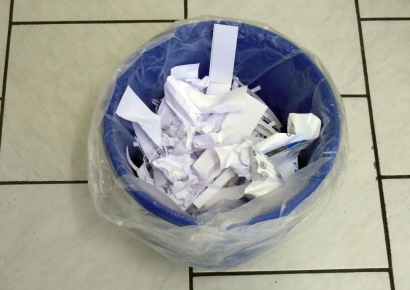 Ballot Box Found in Trash... Peru Holds Runoff Amid 'Ballot Shortage Crisis'
- [Exclusive] "Why Is Only My Stock Not Rising?" The Reason Revealed... Suspicions of 'Stock Price Suppression' Mocking Government Policy [Wealth Succession] Intops②
- "Exactly the Same Early Voting Results in Songdo 1-dong and 2-dong?"... Uproar Over Ballot Counting
- $28 for a Beer: "Is This for Real?"... U.S. Stadium Prices Make Headlines Ahead of World Cup
- "Click! Gotta Post on SNS"... 'Small Luxury' for 20s and 30s Cools Down Amid High Inflation
As the period of job preparation lengthens, the number of young people ceasing their job search altogether is also increasing. According to the same report, the number of people in their 20s "taking a break" was 84,000 in 2004, but rose to 217,000 in 2024.
© The Asia Business Daily(www.asiae.co.kr). All rights reserved.
!["Money Pit: Unstoppable Price Gouging at Golf Courses [Green Fee Price Shock]"](https://cwcontent.asiae.co.kr/asiaresize/307/2026060809323390802_1780878752.png)

!["Don't Get Excited, Crushes Are Exhausting Too: The 'Crush Recession' Among Gen Z [World is Z Gold]"](https://cwcontent.asiae.co.kr/asiaresize/307/2026060508335888548_1780616038.png)