"AI Talent at Alibaba and DeepSeek Now Require Approval to Leave China"
Chinese Government Deems Core AI Talent as "Strategic Assets"
AI Industry Faces Increasing Controls After the "Manus Incident"
The Chinese government has reportedly made it mandatory for core artificial intelligence (AI) talent from information and technology (IT) companies such as Alibaba and DeepSeek to obtain official approval before leaving the country. This move is seen as part of China's heightened sensitivity toward the outflow of domestic technology and talent, leading to the strengthening of related regulations.

According to Bloomberg News on the 26th (local time), citing sources familiar with the matter, Chinese government agencies have started imposing travel restrictions on those involved in advanced AI work who have been designated as "figures of national strategic importance." These individuals are now required to obtain approval from the relevant authorities before traveling abroad.
The targeted individuals are AI professionals. Sources told the news agency that the notified key industry figures include startup founders, researchers, and corporate executives. The primary selection criteria are not simply their job titles or affiliated institutions, but rather an assessment of each individual's importance.
The Chinese government has for years restricted the overseas travel of leading university researchers, nuclear scientists, and executives of state-owned enterprises. The Wall Street Journal (WSJ) reported last year that authorities had instructed major AI founders and researchers to refrain from visiting the United States. However, this did not amount to a complete ban. Some AI engineers in private companies also had to report overseas business trips or travel plans to authorities, but prior approval was not mandatory.

This latest development is interpreted as in line with the Chinese government's stance of considering AI talent as a national strategic asset. Previously, Meta Platforms (Meta) attempted to acquire Manus for $2 billion, but withdrew after facing opposition from the Chinese government. According to the UK’s Financial Times (FT), authorities even prevented two Manus co-founders from leaving the country during the acquisition review process.
Although Manus is an AI startup founded in China, it later relocated its base to Singapore. Taiwan-based IT media outlet DigiTimes noted that the Chinese government is increasing its vigilance against the so-called "Singapore washing" strategy, in which companies move their base to Singapore. There is also reportedly growing domestic criticism in China over the outflow of core technology and talent overseas.
Hot Picks Today
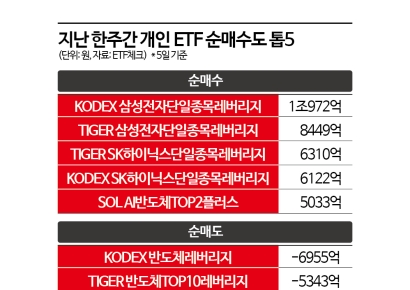 "Let's Double with Samsung and SK hynix": Retail Investors Dump Semiconductor ETFs for Samsung and SK hynix Leverage Products
- Nvidia Loses $2 Trillion in Market Cap in a Day... Semiconductor Stocks Plunge on New York Stock Exchange
- American Man Spends 130 Million Won to Grow 8cm Taller... Is Limb Lengthening Surgery a Confidence Booster?
- Paid 180,000 Won for Wedding Gift but Got Cold Burgers Instead of a Buffet: "Is This a Business, Not a Wedding?"
- "Record-Breaking Heat Expected, but Air Conditioners Ordered Now Will Arrive in Autumn" Surge in Demand in Japan Due to Government Environmental Policy
Bloomberg News pointed out that the tightening of these regulations "could force Chinese engineers who aspire to have global careers to choose between staying in China or moving overseas sooner."
© The Asia Business Daily(www.asiae.co.kr). All rights reserved.
!["Don't Get Excited, Crushes Are Exhausting Too: Even Unrequited Love Faces a Recession [World is Z Gold]"](https://cwcontent.asiae.co.kr/asiaresize/307/2026060508335888548_1780616038.png)



![[Exclusive] CCRS Debt Adjustment to Be Required Before Rehabilitation or Bankruptcy... Legislation Pursued for 'Debt Adjustment Prerequisite Principle'](https://cwcontent.asiae.co.kr/asiaresize/307/2022102710072884384_1666832847.jpg)