"Short-Term R&D Can't Achieve Nobel Prizes"... KAST Launches 'Challenge-Driven Research Ecosystem'
President Jung Jinho: "An Environment for Disruptive Research Is Essential"
National Assembly Forum and Nobel Prize Dialogue Event Planned
"It is difficult to achieve Nobel Prize-level research with a research support system focused on short-term results."
The Korea Academy of Science and Technology is taking concrete steps to foster a "challenge-driven research ecosystem" aimed at cultivating world-class basic and fundamental research. The organization plans to accelerate efforts to move away from a research and development (R&D) structure centered on short-term achievements, and instead create an environment where long-term, high-risk research can be sustained.

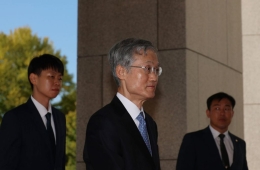
Jinho Jung, President of the Korean Academy of Science and Technology, is answering reporters' questions. Photo by Jounghwa Kim
View original imageOn May 26, at a press briefing for science and ICT reporters held at Seoul Dragon City, Jinho Jung, President of the Korea Academy of Science and Technology, stated, "We need a research ecosystem where disruptive R&D and world-class research can be consistently produced." He added, "The Academy will play a role in broadening social consensus on the value of science and the importance of basic and fundamental research."
President Jung particularly pointed out that research limited to projects with predictable outcomes is unlikely to lead to discoveries that change the world. He explained that an environment is needed in which challenging research can continue from a long-term perspective, even if there is a risk of failure. He said, "Basic science is an area that cannot be properly evaluated by short-term results alone," and added, "Steady national-level investment and social trust must go hand in hand."
Starting in the second half of the year, the Academy also plans to actively promote the social value of science and technology and strengthen international research networks. On June 24, a "National Assembly-KAST Joint Forum" will be held in cooperation with the National Assembly to discuss the national R&D system and directions for supporting basic science. On September 20, the Academy will host "Nobel Prize Dialogue Seoul 2026," a large-scale science and culture event, to share with citizens the value of science and future technological changes.
Additionally, the Academy plans to further expand international academic exchanges by selecting world-renowned researchers, including Nobel laureates, as foreign members. These efforts will also be linked to the promotion of science culture through youth talent development and public lectures.
Based on networks established in the international academic community, the Academy will actively support domestic researchers seeking international science awards. It will systematize the nomination process for international science awards for everyone from young scientists to leading researchers, and broaden its support so that domestic researchers can secure leadership on the global academic stage.
Hot Picks Today
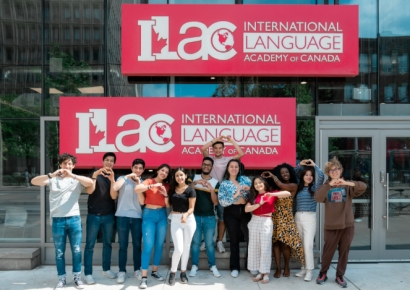 "Quit Job to Start Life in Canada, Now Forced to Return Home"… Language School Closure Leaves Korean Students Stranded
- [Exclusive] "Oh, Oh! Why Is the Seatback Like This?" Hyundai Ioniq 9 Recalled in Korea: 15,000 Units Due to Power Seat Entrapment Risk
- "When Was the Last Time I Went?" With Fewer Visitors, 80% of Japan’s Neighborhood Bathhouses Disappear in 50 Years
- "Typical Italy? This Tour Package Sold 300% More"...Destinations Chosen by Koreans
- Hanwoo Can't Even Dream of This... "Melts in Your Mouth" as Wagyu Hits It Big in U.S. Supermarkets and Fast-Food Chains
President Jung stated, "For Korea to achieve global prominence in science and technology, following its achievements in industry and culture, the role of the private sector is as important as government investment and researcher training policies." He added, "The Academy will pool the wisdom of distinguished scholars to create an environment where researchers can pursue long-term and challenging research."
© The Asia Business Daily. All rights reserved. Unauthorized AI training and use prohibited.