"Is the War Ending?" International Oil Prices Plunge 5%...Trump Says "Iran Talks Not Over Yet"
WTI and Brent Crude Drop Together
Expectations Rise for Reopening of the Strait of Hormuz
Ceasefire and Nuclear Negotiations Ongoing, but Maritime Blockade Remains
Market Uncertainty Persists
International oil prices plunged more than 5% amid growing expectations of progress in ceasefire negotiations between the United States and Iran. However, as U.S. President Donald Trump stated that he would maintain his hardline stance against Iran until a deal is reached, market uncertainty persists.
According to Bloomberg and other sources, on May 24 (local time), July West Texas Intermediate (WTI) crude oil futures fell as much as 5.53% during the session, dropping to $91.25 per barrel. July Brent crude futures also declined by 5.38% during intraday trading, reaching $97.97 per barrel.

Market participants attribute this to the easing of concerns over supply instability in the Middle East, as the prospects for a ceasefire and peace negotiations between the U.S. and Iran improve. Previously, President Trump announced via his social media platform Truth Social that he had discussed a "peace-related memorandum of understanding (MOU)" with leaders of Middle Eastern Arab nations and said that "negotiations have largely been achieved."
The agreement currently under discussion reportedly includes a 60-day extension of the ceasefire, the reopening of the Strait of Hormuz, and negotiations to limit Iran's nuclear program. The U.S. is also reportedly seeking to restore shipping traffic through the strait to pre-war levels within 30 days after the agreement is signed.
However, President Trump stated, "I am not going to rush into an agreement," adding, "Negotiations are not completely over yet." As a result, some experts believe that the maritime blockade against Iran and broader Middle East risks are unlikely to be resolved completely in the short term.
Hot Picks Today
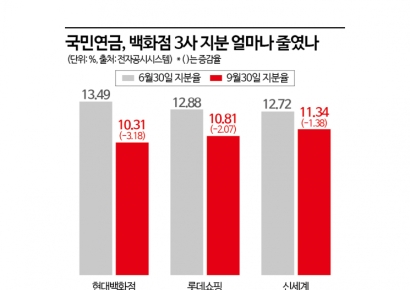 'Big Investor' NPS Has Already Cut Its Losses... Sold Department Store Stocks in Q3 Despite Strong Earnings Outlook
- "There's a Drink Like This?"... Chinese Beverage With "Korean" in Its Name Rakes in 85 Million Won in Monthly Sales
- "Bump," Then "My Phone's Broken"... Man in His 20s Arrested for Scamming 22 Million Won in Repair Costs
- "I Put in 10 Million Won, but Only 2 Million Won Is Left" ... 77% Plunge Leaves Retail Investors in Samsung Electronics and SK hynix Leveraged ETFs Crying Out
- "The leggings are all see-through. It's so embarrassing to look at," complaints prompt Lululemon to fire development staff.
Industry experts believe it will take more time for oil prices to stabilize. This is because oil well restarts, normalization of shipping, and recovery of crude inventories all need to occur simultaneously. Capital Economics forecasts that a meaningful improvement in the global oil supply-demand balance will not take place until after 2027.
© The Asia Business Daily. All rights reserved. Unauthorized AI training and use prohibited.