EU to Lift Sanctions on Chinese Semiconductors Again?... Auto Industry Fears Supply Instability
The European Union (EU) is considering temporarily lifting sanctions on Chinese semiconductor suppliers due to concerns that the automotive industry may face production disruptions if alternative supply chains cannot be secured.

According to Bloomberg News on the 21st (local time), citing sources, the European Commission, the EU's executive branch, is expected to propose as early as this week an exemption for Yangzhou Yangjie Electronic Technology, a semiconductor manufacturer. This measure will require the approval of all 27 EU member states to take effect.
Yangjie Electronic was included in the EU's 20th package of sanctions against Russia. The EU placed Chinese companies suspected of providing dual-use goods or weapons systems to Russia under sanctions. Yangjie Electronic has long been suspected of its technology being shipped to Russia dozens of times. Last month, it was sanctioned after its products were found in drones and glide bombs used in attacks on Ukraine.
Sources said that European automotive companies have requested the EU to delay the sanctions. These companies argued they did not have enough time to diversify their supply chains and that, if the measure were enforced, their inventories would be depleted within weeks.
Hot Picks Today
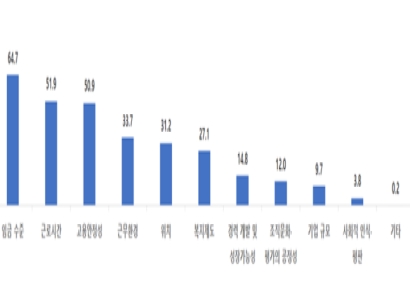 "Please Pay Me at Least 3 Million Won a Month": More Than Half of Young People Today Prioritize "Working Conditions" Over Company Size
- Selling Like Crazy Every Year... 30-Year-Old Hetbahn Takes on a New Challenge: Tastes Better Than "Mom's Home Cooking" [On-Site Report]
- He Left It in the Car and Forgot... "I Nearly Collapsed with Joy": Man Wins $1.48 Million Lottery
- Ran 18 km With 9-Year-Old Tied to Him at the Waist... "Man Banned From Competing for 3 Years"
- Beachgoer Finds 'Plastic' That Turns Out to Be Perfume Ingredient Worth More Than Twice as Much as Gold
The European automotive industry also faced a severe supply shortage at the end of last year. This occurred when an internal conflict at Chinese semiconductor company Nexperia became public. At that time, the Dutch government invoked Cold War-era legislation to control Nexperia's business operations in the Netherlands, citing national security concerns. In response, China blocked exports from Nexperia's Chinese subsidiary. This led to a chip shortage, which disrupted production for several automotive companies.
© The Asia Business Daily. All rights reserved. Unauthorized AI training and use prohibited.